
The power behind the AI boom is becoming a political fight
As governments race to attract the next wave of artificial intelligence investment, a more basic question is moving to the center of the debate: who will supply the electricity.
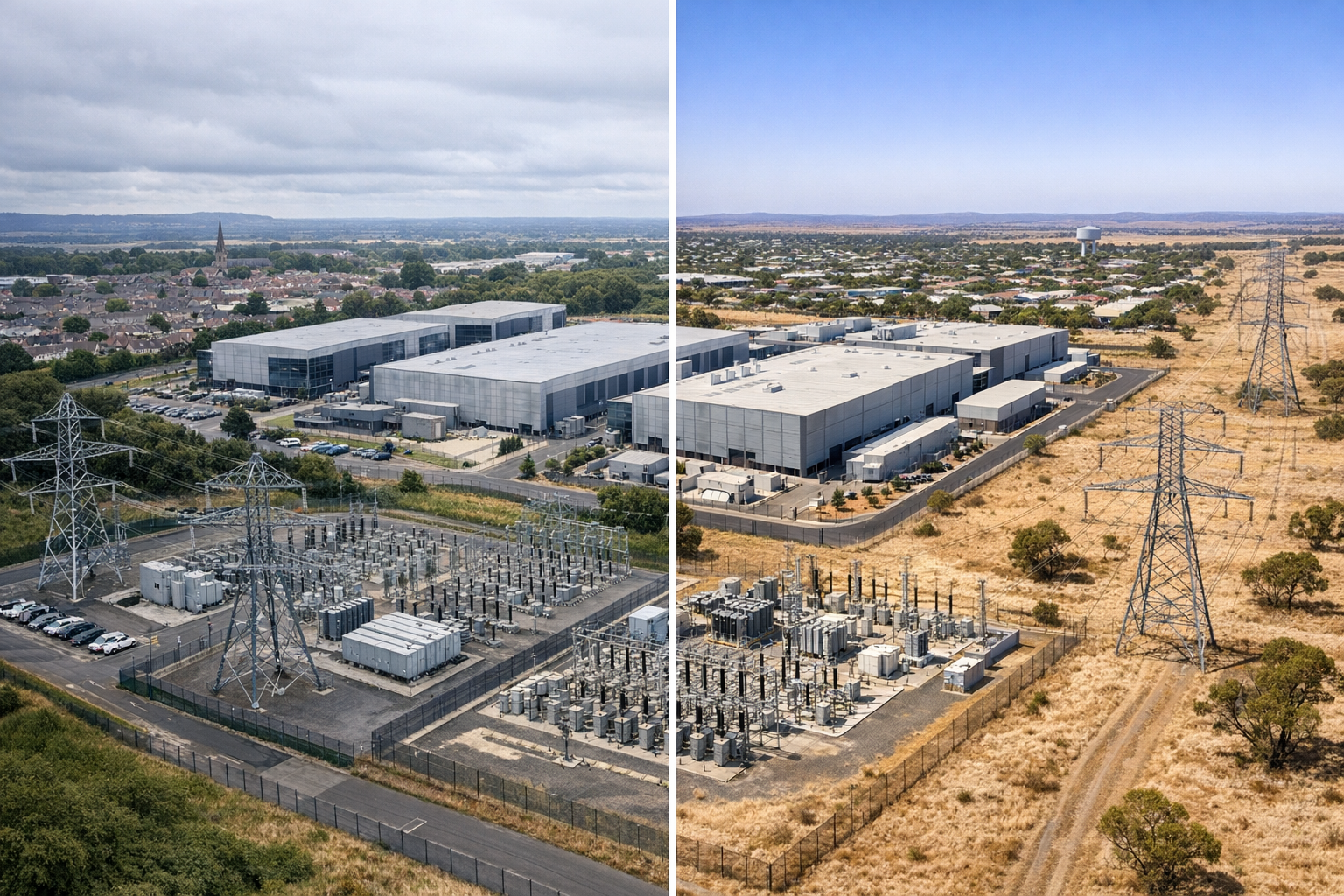
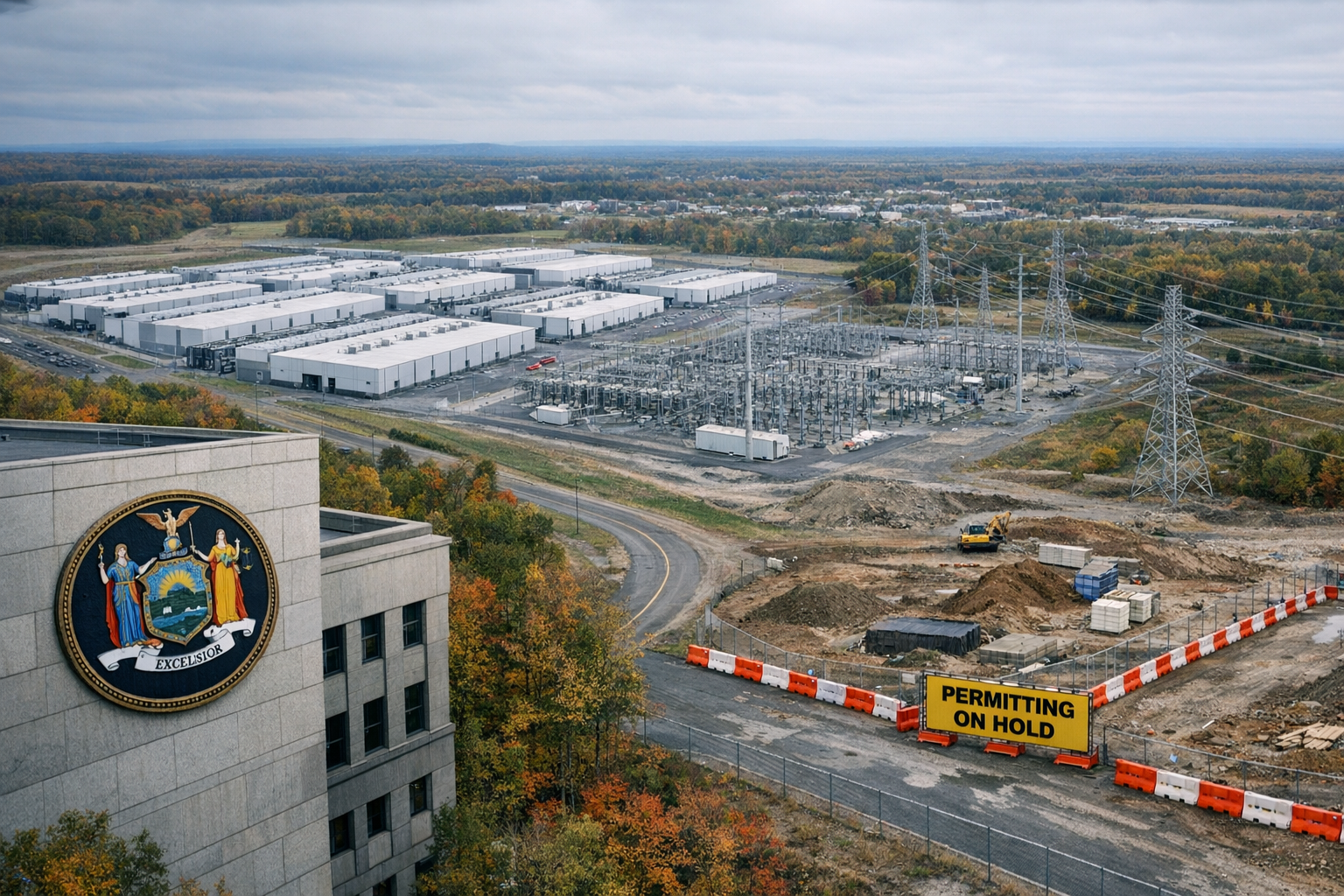
That question sharpened this week in Britain and Australia, where regulators and politicians are trying to prevent power-hungry data centers from overwhelming electricity systems that were not built for such rapid growth. In both countries, officials are converging on a similar concern — that AI infrastructure should not be allowed to jump the queue for scarce grid capacity or leave households and other businesses to absorb the cost — even as they differ on how hard to push developers.
In Britain, the energy regulator Ofgem said data center projects could be required to put up large upfront payments or financial guarantees to secure a place in the grid connection line, part of a broader effort to unclog a backlog that officials say is delaying not only commercial projects but also hospitals, schools and housing.
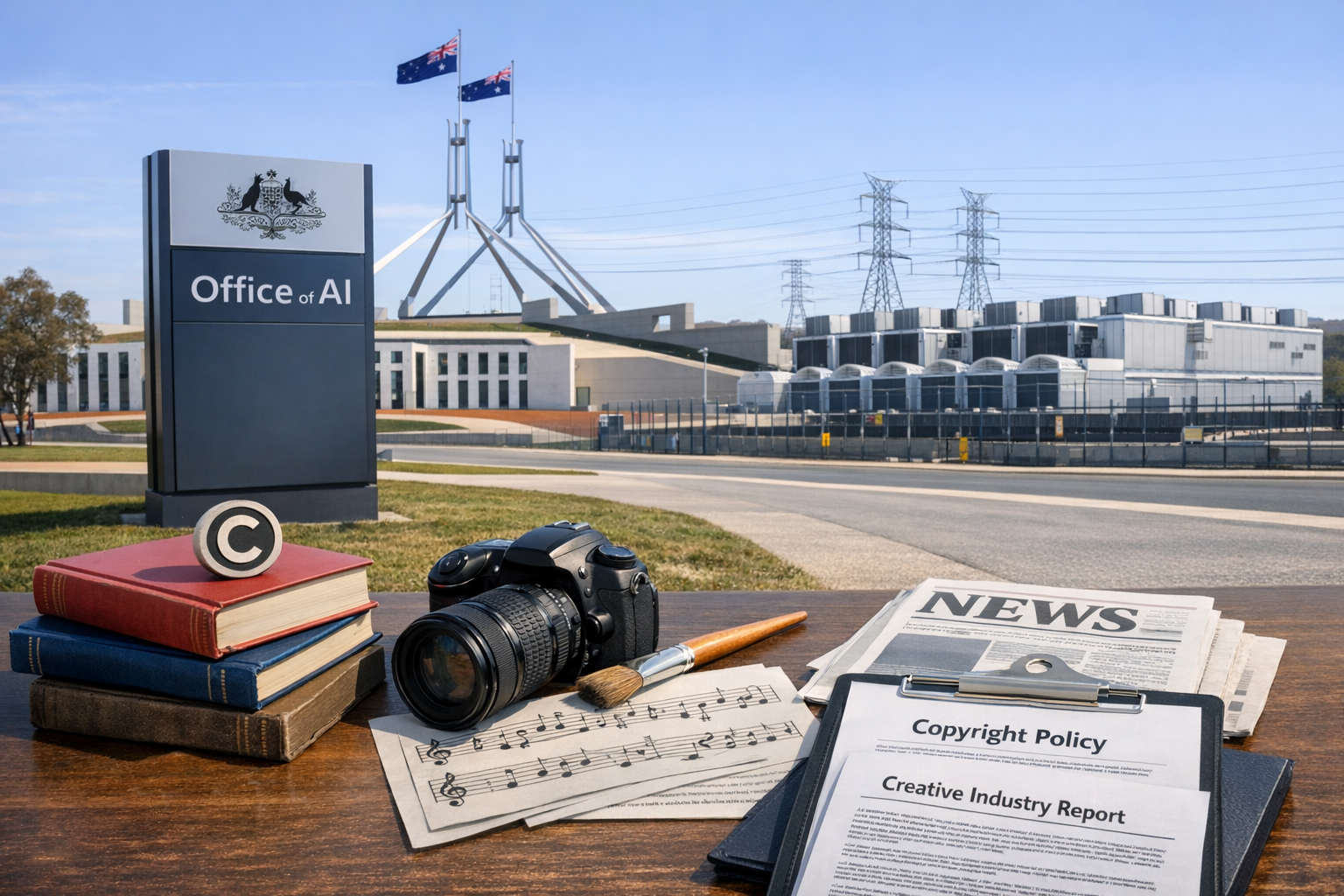
In Australia, a fight is unfolding between the federal government and state leaders over whether AI data centers should be required to run on renewable energy or otherwise back new power supply, with Queensland and the Northern Territory rejecting Canberra’s proposed approach as federal overreach.
Together, the disputes point to a new phase of the AI build-out: less about chatbots and chip supplies, and more about substations, wires and electricity bills.
Britain targets speculative projects
Ofgem has been warning for months that Britain’s electricity connection queue has become “large and growing,” with viable projects held back by others that may never be built. The regulator has identified large electricity users, especially data centers, as a major factor because of the sheer scale of recent demand requests tied to AI computing.
Under the proposals now under discussion, developers of data centers would face substantial grid-access charges or be required to provide financial security in the form of letters of credit, bonds or cash deposits. The aim is to deter speculative applications that reserve capacity without a credible path to construction.
The regulator has also been considering tougher progression tests for projects seeking connection, as well as rules tailored to very large loads. The details are still being worked out, but the direction is clear: companies asking for enormous amounts of power may have to prove much earlier that they are serious, financed and capable of moving quickly.
The issue has become more urgent as estimates of future demand have climbed. Earlier reporting in Britain suggested that planned new data centers could sharply raise national electricity use, intensifying concerns that a rush for AI infrastructure could crowd out other priorities unless access to the grid is more tightly managed.
For policymakers, the political risk is obvious. If speculative projects are allowed to dominate connection queues, governments could face growing criticism that homes and public services are waiting behind private AI ventures.
Australia’s federal-state clash
Australia is wrestling with the same underlying problem, but through a different political structure. The federal government said this month that large data centers should effectively underwrite new power supply, cover their full connection costs and be capable of reducing demand when the grid is under stress.
That approach was meant to reassure voters and energy markets that the AI boom would not simply pile onto an already strained electricity system. But efforts to go further — including a push to ensure that AI data centers use renewable energy — have met resistance from some states.
Queensland and the Northern Territory have now rejected that proposal, arguing that the federal government’s plans are ill-defined and would hand too much authority to Canberra. The dispute has exposed a familiar tension in Australian energy policy, where national climate ambitions often collide with state-level economic and political priorities.
The timing is especially sensitive because analysts are warning that data center demand could rise dramatically over the next decade. S&P Global has said electricity use from data centers in Australia could increase fivefold by 2035, reaching about a tenth of total consumption. Other analysts have put the likely range at roughly 8 to 11 percent of national demand if growth continues.
Today, data centers account for only a small share of use on the main grid, roughly 2 percent. But the speed of expansion matters as much as the absolute number. New AI facilities can be planned and financed more quickly than generation and transmission projects can be approved and built, creating the risk of a mismatch that tightens supply and pushes prices higher.
That is one reason ratings analysts and energy experts have warned that electricity bills could rise if large new loads arrive before enough new generation — especially renewables and storage — is in place.
Who pays for AI’s appetite?
At the heart of both debates is cost allocation.
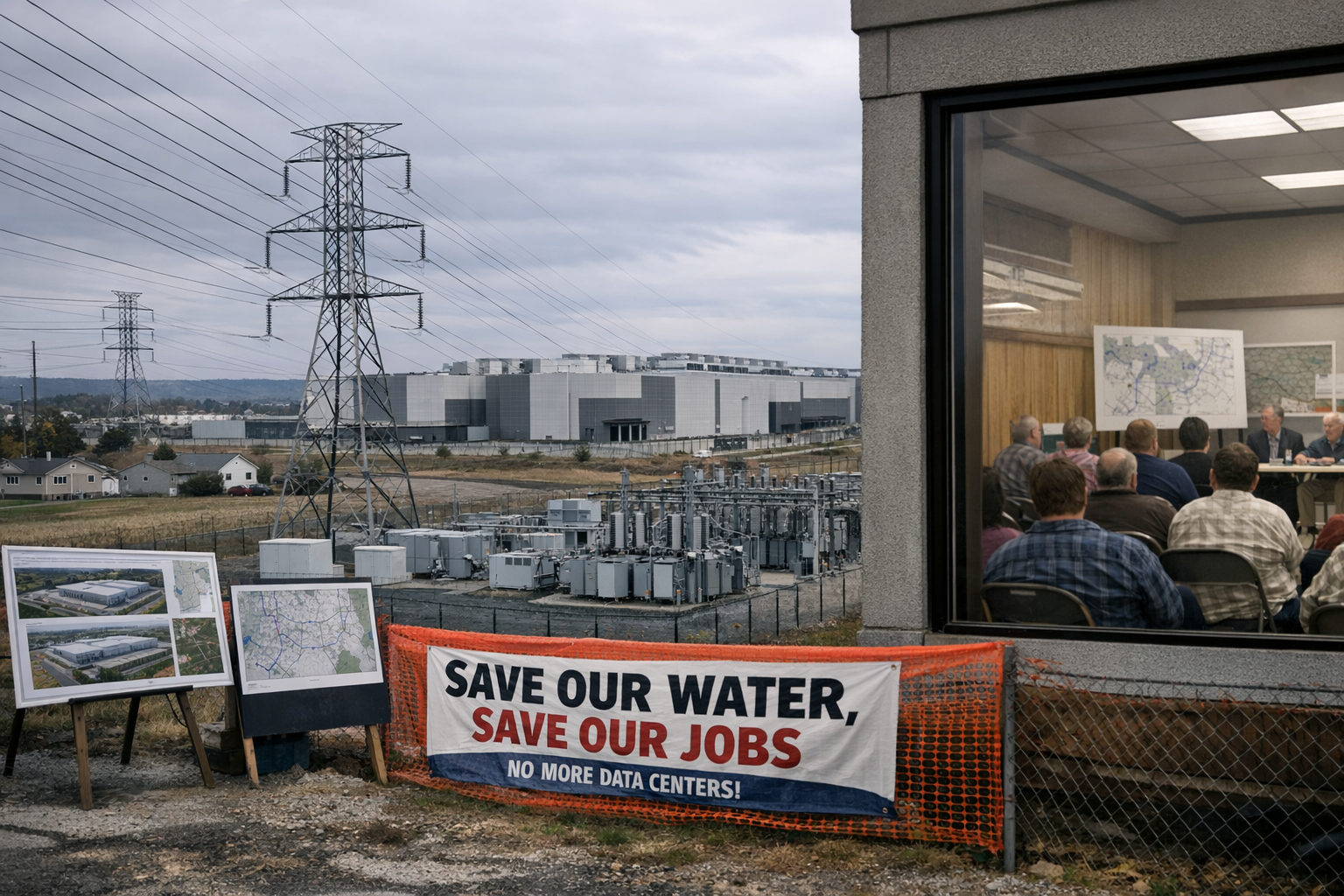
Governments broadly want the economic benefits of AI investment: construction, jobs, tax revenue and the prestige of hosting advanced computing infrastructure. But they are increasingly wary of a model in which developers secure valuable grid access first and the public pays later, whether through higher network costs, pricier power or delays for other users.
Britain’s answer, at least for now, is leaning toward financial discipline at the point of connection. Australia’s federal government is trying to push more of the burden onto developers by insisting that they bring or back new supply and remain flexible when the grid is tight.
Neither approach is settled. In Britain, the final structure of fees, deposits and operating requirements is still being developed. In Australia, it remains unclear whether the federal government can secure state support, how any legal requirement to “underwrite” power would work in practice, and whether renewable projects can be delivered quickly enough to keep pace with data center construction.
What is clear is that electricity is becoming one of the defining constraints on AI expansion. For years, the limiting factors in the industry were seen as chips, talent and capital. Now, in countries trying to host the infrastructure behind AI, access to power is emerging as the next major bottleneck — and a new arena for political conflict.
Sources
Further reading and reporting used to add context:
- https://www.spglobal.com/en/research-insights/market-insights/technology-innovation/datacenters
- Connect update: demand connections reform | Ofgem
- https://ntepa.nt.gov.au/consultation/project-ares
- https://www.abc.net.au/news/2026-07-28/data-centre-explosion-could-spark-power-price-hikes/106963258
- Demand Connections Reform: Connect up-date
- https://minister.dcceew.gov.au/watt/media-releases/federal-environmental-approval-new-solar-farm-power-160000-queensland-homes
- https://www.legislation.qld.gov.au/view/whole/html/inforce/2025-07-01/act-2024-015
- https://www.spglobal.com/market-intelligence/en/news-insights/articles/2026/6/s-p-webinar-data-center-power-demand-to-more-than-double-by-2030-102727689
- https://documents.parliament.qld.gov.au/events/han/2026/2026_06_24_DAILY.pdf
- AI in Australia's interests | Prime Minister of Australia
- https://www.dcceew.gov.au/energy/renewable/priority-list
- https://www.wired-gov.net/wg/news.nsf/articles/Government%2Bto%2Btackle%2Bspeculative%2Bdemand%2Bgrid%2Bconnection%2Brequests%2B11032026140900
- https://www.qld.gov.au/government/news-and-publications/ministerial-media-statements
- https://www.parliament.qld.gov.au/Work-of-Committees/Committees/Committee-Details?cid=270&id=8588&t=s
- https://www.netzero.gov.au/sites/default/files/documents/2026-03/FOI2025-26-005%20-%20Part%201%20release%20documents%20-%20redacted.pdf
- https://announcements.asx.com.au/asxpdf/20251105/pdf/06rjbxg1nvtrm7.pdf
- https://documents.parliament.qld.gov.au/events/han/2025/2025_12_10_DAILY.pdf
- https://www.spglobal.com/content/dam/spglobal/global-assets/en/special-reports/look-forward/volume-13/LookForward_Energy-Futures.pdf
- https://www.reddit.com/r/australia/comments/1v9g70x/renewables_nuclear_gas_data_centre_boom_energises/
- https://www.theguardian.com/environment/2026/may/12/datacentres-australia-wind-solar-energy-investment
- https://www.theguardian.com/technology/2026/feb/23/new-datacentres-risk-doubling-uk-electricity-use-ofgem-peak-demand
- https://www.theguardian.com/business/2026/may/18/uk-datacentres-plan-to-burn-gas-to-generate-electricity
- https://www.theguardian.com/technology/2026/jul/14/anthony-albanese-promises-fast-track-approvals-for-datacentres-to-shore-up-ai-investment
- https://www.theguardian.com/technology/2026/apr/15/amazon-enters-agreements-nine-australian-renewable-projects-power-datacentres
- https://www.theguardian.com/technology/2026/jul/04/openai-apparent-failure-visit-key-site-questions-stargate-uk-project
- https://www.theguardian.com/australia-news/2026/apr/27/queenslands-renewable-energy-whiplash-how-the-shift-from-coal-stalled-in-australias-most-polluting-state
- https://www.theguardian.com/technology/2026/mar/12/council-approves-lincolnshire-datacentre-despite-emissions-warnings
- https://www.theguardian.com/australia-news/2026/jun/11/datacentre-ai-growth-economy-resources-australia-labor-government
- https://www.theguardian.com/technology/2026/jul/06/lanarkshire-scotland-ai-datacentre-project-renewable-energy
- https://www.theguardian.com/australia-news/2026/jul/16/albaneses-ai-blueprint-sparks-calls-for-datacentre-moratorium-until-new-regulations-in-place
- https://www.theguardian.com/us-news/2026/mar/25/datacenters-bernie-sanders-aoc
- https://advertising.theguardian.com/assets/files/rate-card-2026-%281%29.pdf
- https://advertising.theguardian.com/assets/files/media-kit-2026-1772022840.pdf
- https://www.bankofengland.co.uk/paper/2026/ps/the-boes-fees-regime-for-fmi-supervision-for-ccps-and-csds-2026-27
- https://www.ofgem.gov.uk/decision/ofto-projects-and-cap-and-floor-interconnectors-interest-during-construction-idc-rates-2026-2027
- https://www.gov.uk/government/publications/clean-flexibility-roadmap/clean-flexibility-roadmap-july-2026-update-accessible-webpage
- https://ebs.publicnow.com/view/B1B7C225DE756A941112C3D22ACCD77BB7F52C95
- https://ofgem-newsroom.prgloo.com/news/energy-price-cap-will-rise-by-13-percent-from-july
- https://www.hsfkramer.com/insights/2026-07/uk-grid-connections-reform
- https://www.ofgem.gov.uk/publications/cmp448-connection-and-use-system-code-cusc-changes
- https://www.ofgem.gov.uk/sites/default/files/2024-02/GGL%20Scheme%20Schedule%202024%20-%202025%20V.1.pdf
- https://www.sec.gov/Archives/edgar/data/1004315/000165495426006411/a6288k.htm
- https://www.bankofengland.co.uk/financial-stability-report/2026/july-2026
- https://www.ofgem.gov.uk/energy-regulation/low-carbon/long-duration-electricity-storage
- https://statements.qld.gov.au/statements/105441
- https://www.abc.net.au/news/rural/2026-07-25/nt-govt-promises-ai-capital-in-the-outback/106952852
- https://www.abc.net.au/news/2026-05-27/ai-data-centres-pressuring-energy-transition-greenpeace-says/106722390
- https://statements.qld.gov.au/statements/105379
- https://statements.qld.gov.au/statements/105116
- https://www.abc.net.au/news/2026-07-01/data-centre-planned-outback-nt/106862398
- https://www.greenpeace.org.au/news/next-year-is-too-late-for-regulations-beetaloo-energys-2gw-gas-powered-ai-data-centre-a-disaster-proposal-destined-to-cause-climate-chaos/
- https://governor.nebraska.gov/gov-pillen-signs-executive-order-data-centers
- https://newshub.medianet.com.au/2026/07/queensland-government-would-raise-power-prices-and-pollution-with-data-centre-gamble/161027/
- https://dtbar.nt.gov.au/__data/assets/pdf_file/0008/1565783/nt-digital-industry-interim-report-2025.pdf
- https://www.parliament.nsw.gov.au/hp/housepaper/31280/D260623.156.pdf
- https://budget.nt.gov.au/__data/assets/pdf_file/0006/1609818/2026-27-budget-economy.pdf
- https://nt.gov.au/?a=1048286%3Anewsroom%2F31829_11670__nt-government-response-alice-springs-system-black-independent-investigation.pdf
- https://territorygeneration.com.au/wp-content/uploads/2025/05/Statement-of-Corporate-Intent-2025-26.pdf
- https://www.reddit.com/r/AustralianDataCentres/comments/1v3zww9/nt_backs_a_a40bn_2gw_data_centre_that_runs/
- https://www.reddit.com/r/queensland/comments/1us6ull/giant_wind_farm_to_be_first_to_test_queenslands/
- https://www.reddit.com/r/northernterritory/comments/1uqc1h7/optional_standards_arent_working_new_ai_dc_for_nt/








Leave a Reply