
A New Health Care Divide Emerges as Patients Turn to A.I. and Privacy Fears Grow
A growing number of Britons are turning to artificial intelligence for medical advice instead of seeing a doctor, even as lawmakers and patient advocates warn that the National Health Service’s own embrace of A.I.-linked data systems could undermine trust in how sensitive health records are handled.
Together, the developments point to a widening tension at the heart of modern health care: A.I. is becoming more available, more capable and more deeply embedded in the system just as basic questions about safety, accountability and privacy remain unsettled.
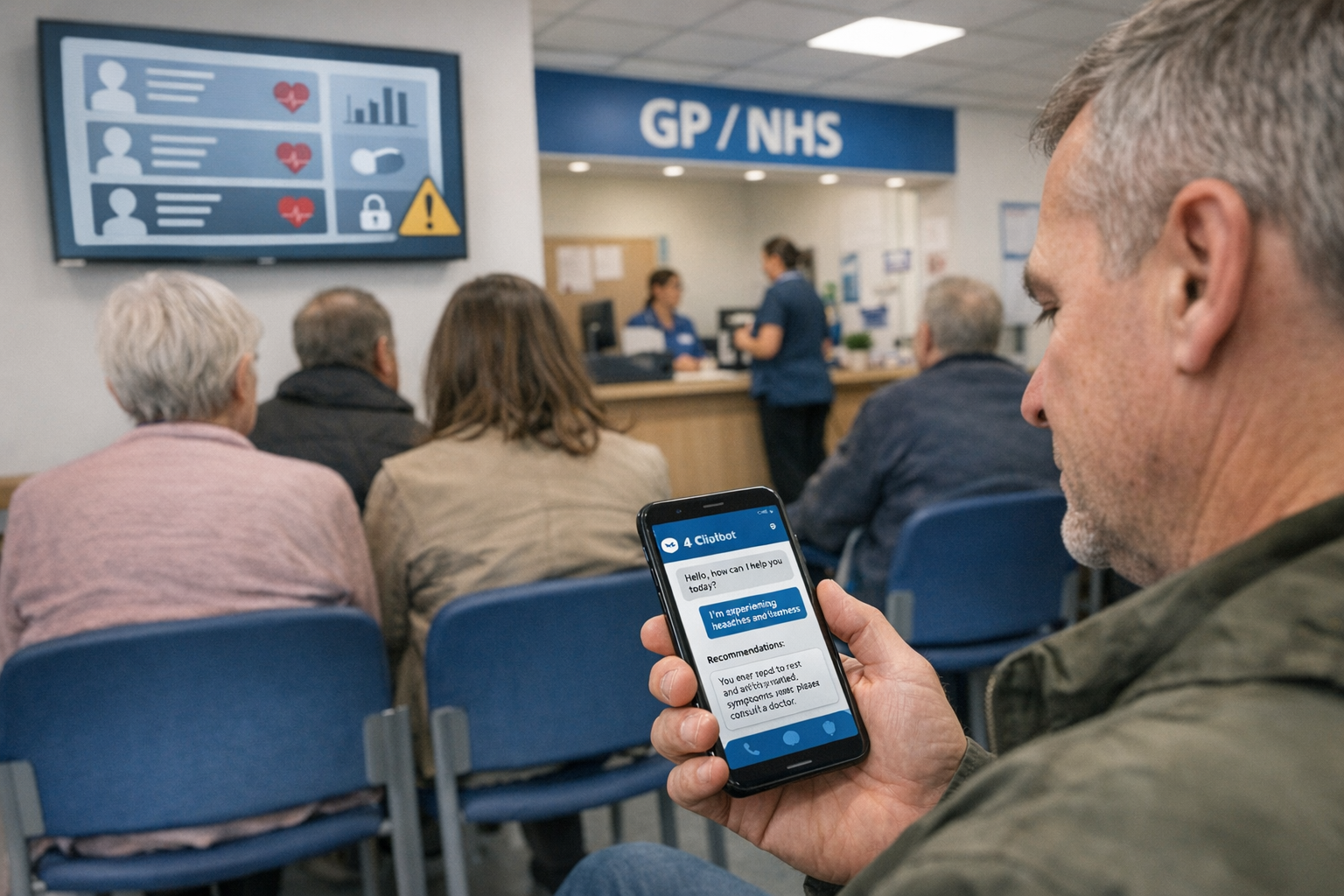
A poll of more than 2,000 people in Britain found that 15 percent had used A.I. chatbots for health advice rather than consulting a general practitioner. Among those who did, one in four said long NHS waiting times were a reason. The findings suggest that for some patients, chatbot consultations are no longer a novelty but a substitute for professional care, driven in part by strain on the public health system.
The survey also raised concerns about what happens after a patient asks a chatbot for help. Roughly one in five users said the chatbot had not advised them to seek professional medical attention. A similar proportion said they decided not to pursue a consultation because of what the system told them.
For doctors and patient-safety experts, that is the most alarming part. The risk is not only that an A.I. system might be wrong, but that it could alter a person’s decision about whether to seek care at all — without the clinical duty, oversight or liability that normally accompanies medical advice.
Convenience Without Accountability
The appeal of chatbots is not hard to understand. They are immediate, available at all hours and often more conversational than traditional web searches. In a health system where appointments can be difficult to secure quickly, the attraction is greater still.
But researchers have been warning that ease of access should not be mistaken for reliability. An Oxford-led study released in February found that large language models used by the public for medical decisions could provide inaccurate or inconsistent advice, and did not clearly outperform ordinary search tools in helping people make safer judgments.
That gap — between what these systems feel like they can do and what has been demonstrated they can safely do — is increasingly significant. Consumer use is racing ahead of clinical validation. Patients may treat a polished answer as trustworthy even when the underlying model is prone to error, omission or overconfidence.
The concern is especially acute in primary care, where the challenge is often not giving textbook information but recognizing urgency, uncertainty or the need for an in-person exam. A chatbot can generate plausible recommendations, but it cannot assume responsibility for a missed diagnosis.
The Privacy Battle Inside the NHS
At the same time, concerns are mounting over how A.I.-era health infrastructure is being built inside the NHS itself.
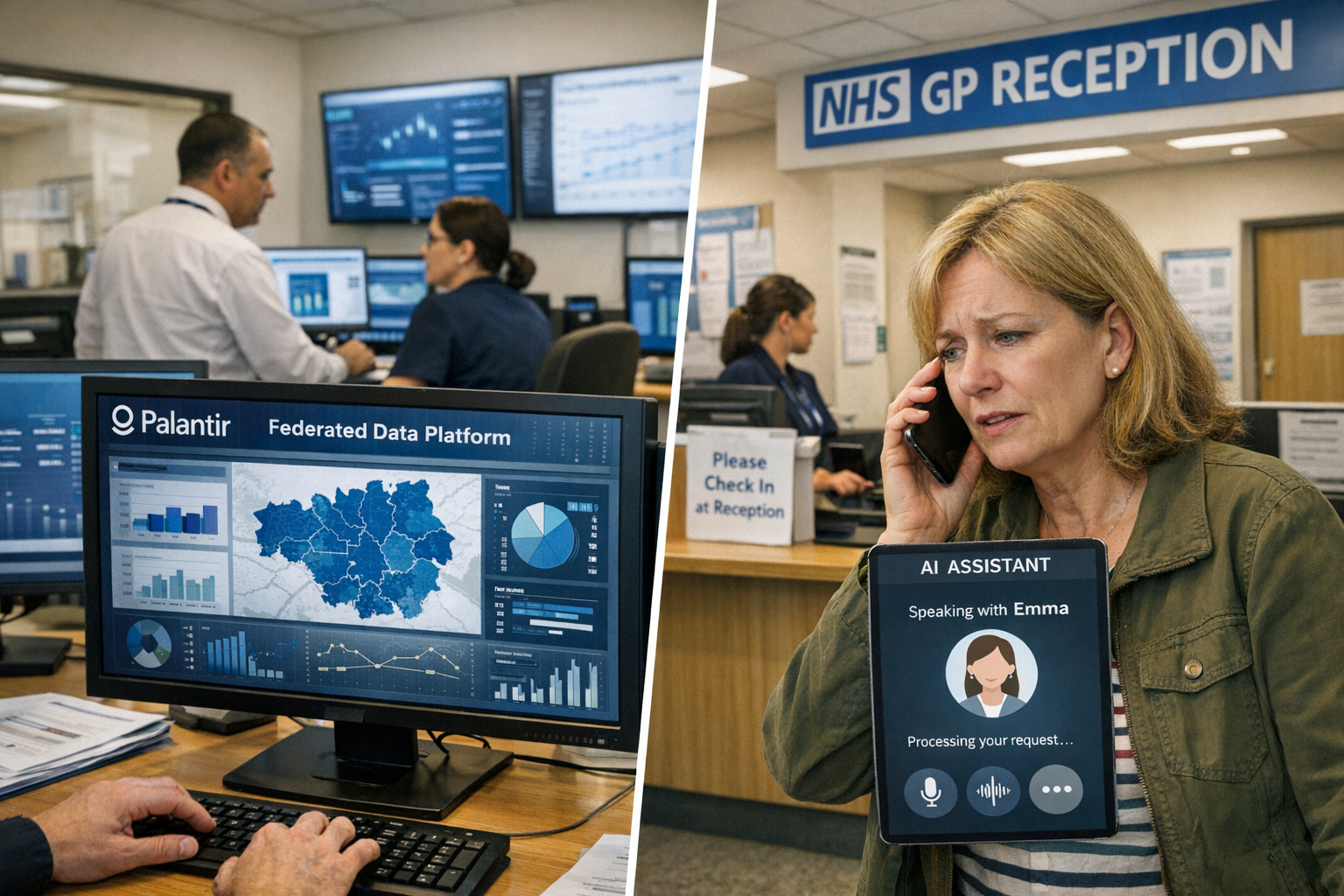
Members of Parliament and privacy advocates have criticized NHS England after reports that Palantir, the American technology company whose software underpins the NHS Federated Data Platform, and other contractors were allowed access to identifiable patient data before it had been pseudonymized. Critics said such access was dangerous and risked damaging public confidence in the health service’s stewardship of personal information.
The controversy cuts to the core of the NHS data strategy. The Federated Data Platform has been presented as a way to connect operational information across the health service to improve planning, reduce bottlenecks and support patient care. NHS materials have emphasized safeguards such as role-based access and privacy-protecting handling of identifiable data.
That is why reports of contractor access to raw identifiable information have provoked such concern. If the public is told that strict controls are central to the platform, any suggestion that outside firms have broader visibility than expected threatens the trust on which the entire project depends.
The unanswered questions are substantial: how extensive the access was, whether it was temporary or embedded in routine operations, what independent oversight exists, and whether the controls described publicly match what happens in practice.
For patients, the issue is not abstract. Health records are among the most sensitive forms of personal data, and fears about commercial or opaque access can quickly chill public willingness to support digital modernization, even when the promised benefits are substantial.
Better Models, Unsettled Rules
The backdrop to both debates is rapid technical progress.
A newly released open-source medical language model, AntAngelMed, has been promoted as a large clinician-oriented system designed to deliver high performance more efficiently than conventional models by activating only a fraction of its total parameters at a time. Its developers say it performs strongly on medical benchmarks and can process information quickly enough to make it attractive for real-world deployment.
Whether or not this particular model becomes influential, it reflects a broader shift: advanced medical A.I. tools are no longer confined to a handful of proprietary systems. Hospitals, software vendors and independent developers now have access to increasingly specialized models trained for health-related tasks, from summarizing records to answering clinical questions.
That could accelerate innovation. It could also widen the gap between what is technically possible and what is safely governed.
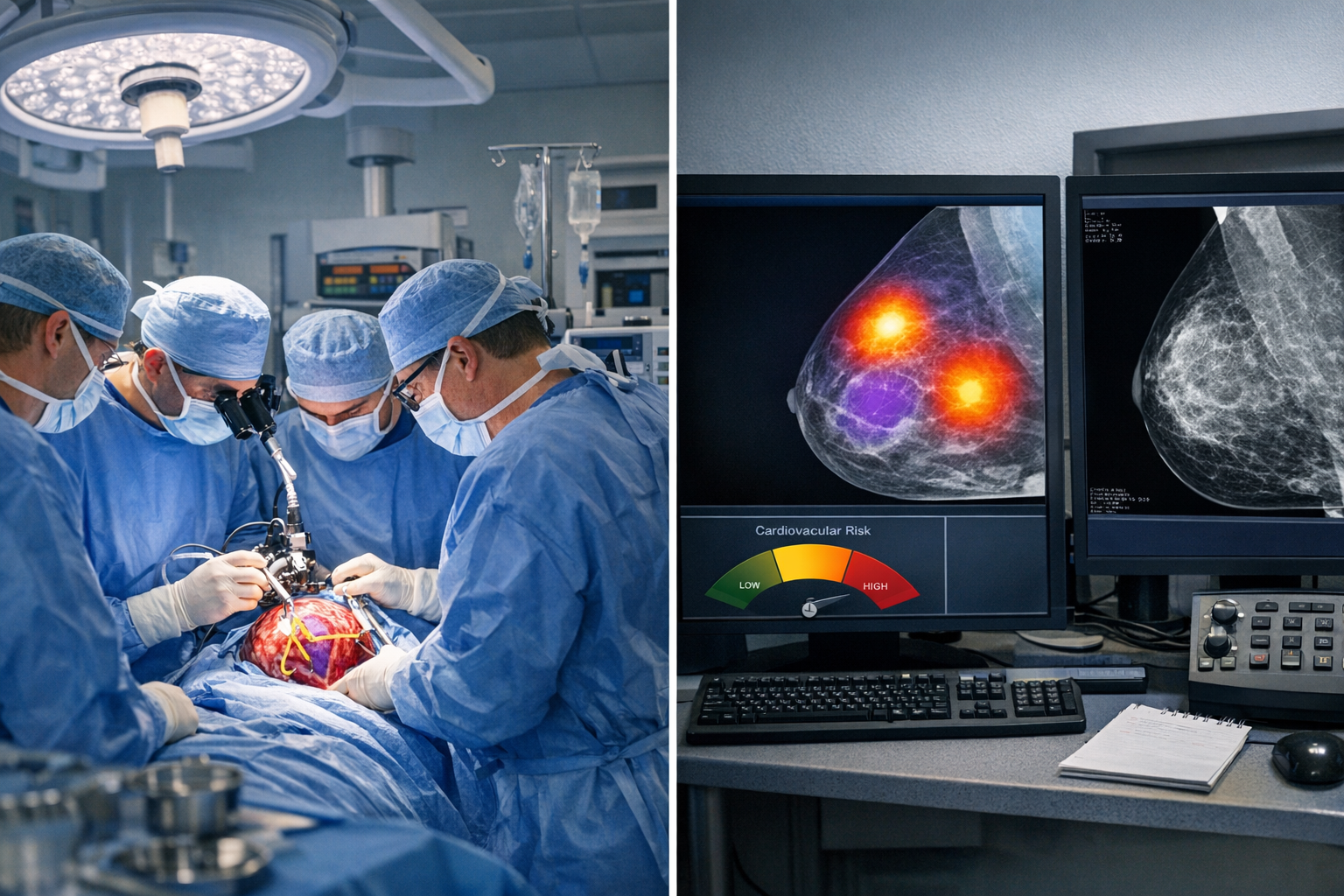
Benchmarks, however impressive, are not the same as proof of clinical readiness. They do not establish how a model performs in messy real-world settings, how often it makes consequential mistakes, whether clinicians can reliably detect those mistakes, or what regulatory framework should apply when software influences diagnosis, triage or treatment decisions.
Why This Moment Matters
What is taking shape is a two-front challenge for health systems.
On one front, consumers are beginning to use A.I. as a first stop for medical judgment, sometimes in place of doctors. On the other, health institutions are building data and software infrastructures that rely on private technology companies and increasingly powerful models. In both cases, trust is the essential currency — and in both cases, it is fragile.
If patients believe chatbots are quietly steering them away from needed care, faith in digital health tools will erode. If they believe the NHS cannot protect their records while modernizing its systems, public resistance to data-sharing initiatives is likely to harden.
The tension is not between innovation and caution so much as between speed and legitimacy. Health systems under pressure want tools that can help now: reduce administrative burden, support clinicians, guide patients, cut waits. But medicine operates by a stricter standard than most consumer technology. A useful tool is not enough; it must also be safe, explainable and worthy of confidence.
For now, Britain’s experience offers an early warning. As A.I. moves from experimental novelty to everyday health care, the central question is no longer whether these systems will be used, but under what rules — and at whose risk.
Sources
Further reading and reporting used to add context:
- https://www.techradar.com/pro/security/palantir-contractors-working-for-nhs-to-receive-unlimited-access-to-patient-data
- https://www.theguardian.com/society/2026/may/11/palantir-access-nhs-england-patient-data
- https://www.resultsense.com/news/2026-05-12-palantir-nhs-patient-data-access/
- https://www.lawyer-monthly.com/2026/05/nhs-palantir-patient-data-contractor-access-legal-risk/
- https://thenextweb.com/news/palantir-nhs-england-patient-data-access
- https://cybernews.com/tech/palantir-nhs-patient-data/
- https://www.openaccessgovernment.org/the-nhs-are-facing-backlash-over-expanded-palantir-access-to-patient-data/209264/
- https://www.boursorama.com/bourse/actualites/selon-le-financial-times-le-nhs-britannique-doit-accorder-aux-sous-traitants-de-palantir-un-acces-illimite-aux-donnees-des-patients-462cc44e4f522fd4833aec8f5a088e22
- https://uk.finance.yahoo.com/news/palantir-faces-renewed-scrutiny-over-160017296.html
- https://www.techradar.com/pro/security/nhs-users-report-that-it-is-awful-to-use-palantir-could-be-forced-to-exit-nhs-after-pushback-from-staff-mps-unions-and-pressure-groups-over-federated-data-platform
- https://aivizor.me/en/community/t/chinese-team-releases-antangelmed-open-source-mo-f2fc5ed8
- https://www.techradar.com/pro/nhs-staff-push-back-against-using-ethically-bankrupt-palantir-software-say-it-doesnt-do-anything-new-for-us
- https://finance.yahoo.com/sectors/healthcare/articles/palantir-nhs-data-access-concerns-172055496.html
- https://www.techradar.com/pro/we-have-no-interest-in-patient-data-in-the-uk-palantir-uk-head-defends-record-as-criticisms-rise
- https://www.theguardian.com/technology/chatbots
- https://www.techradar.com/pro/very-significant-privacy-concerns-uk-hands-over-financial-regulation-data-to-palantir-to-help-tackle-financial-crime
- https://www.reddit.com/r/GUARDIANauto/comments/1tc4av5/uk_one_in_seven_prefer_consulting_ai_chatbots_to/
- https://www.reddit.com/r/theguardian/comments/1tc40wd/one_in_seven_prefer_consulting_ai_chatbots_to/
- https://www.reddit.com/r/machinelearningnews/comments/1tbfh5q/a_103b_medical_llm_just_got_open_sourced_and_it/
- https://www.reddit.com/r/NewsDip/comments/1tb0vsn/ft_palantir_gets_unlimited_nhs_patient_data_access/
- https://www.reddit.com/r/GlobalNews/comments/1tb0h6p/palantir_gets_unlimited_nhs_patient_data_access/
- https://www.phc.ox.ac.uk/news/new-study-warns-of-risks-in-ai-chatbots-giving-medical-advice
- https://www.kff.org/public-opinion/kff-tracking-poll-on-health-information-and-trust-use-of-ai-for-health-information-and-advice/
- https://www.medsci.ox.ac.uk/news/new-study-warns-of-risks-in-ai-chatbots-giving-medical-advice
- https://news.gallup.com/poll/707789/americans-turning-supplement-healthcare-visits.aspx
- https://www.kff.org/health-information-trust/new-kff-tracking-poll-on-health-information-and-trust-finds-one-in-three-adults-have-used-ai-chatbots-for-health-advice/
- https://www.techtarget.com/patientengagement/news/366640835/42-of-patients-using-AI-for-health-dont-follow-up-with-a-doctor
- https://www.oii.ox.ac.uk/news-events/new-study-warns-of-risks-in-ai-chatbots-giving-medical-advice/
- https://www.healthcaredive.com/news/ai-chatbot-users-health-information-dont-rate-accuracy-highly-pew-research-center/817025/
- https://www.axahealth.co.uk/news/2026/axa-health-research-shows-ai-is-driving-people-to-delay-care/
- https://www.theregister.com/software/2026/02/09/ai-chatbots-dont-improve-medical-advice-study-finds/4459358
- https://techcrunch.com/2025/05/05/people-struggle-to-get-useful-health-advice-from-chatbots-study-finds/
- https://www.orbitbrief.com/2026/02/10/ai-medical-advice-oxford-nature-medicine-study/
- https://www.techradar.com/ai-platforms-assistants/if-ai-is-the-only-place-people-feel-heard-thats-a-societal-problem-why-one-charity-is-pushing-back-on-mental-health-chatbots
- https://www.livescience.com/health/rectal-garlic-insertion-for-immune-support-medical-chatbots-confidently-give-disastrously-misguided-advice-experts-say
- https://communications.yale.edu/sites/default/files/2026-03/Yale-psychiatrist-Amber-W.-Childs-comments-on-the-dangers-and-shortcomings-of-using-chatbots-for-medical-advice.pdf
- https://www.pewresearch.org/wp-content/uploads/sites/20/2026/04/PS_2026.4.7_health-information_REPORT.pdf
- https://www.theguardian.com/technology/2026/mar/14/ai-chatbots-psychosis
- https://www.theguardian.com/australia-news/2026/mar/29/doctors-using-ai-for-notes-australia
- https://www.theguardian.com/technology/2026/apr/30/ai-outperforms-doctors-in-harvard-trial-of-emergency-triage-diagnoses
- https://www.theguardian.com/technology/2026/apr/07/do-you-rely-on-ai-chatbots-to-make-decisions-we-want-to-hear-from-you
- https://www.theguardian.com/technology/2026/feb/03/deepfakes-ai-companions-artificial-intelligence-safety-report
- https://www.theguardian.com/technology/2026/feb/16/google-puts-users-at-risk-downplaying-disclaimers-ai-overviews
- https://www.theguardian.com/technology/2026/jan/24/google-ai-overviews-youtube-medical-citations-study
- https://www.theguardian.com/technology/2026/apr/01/unregulated-chatbots-are-putting-lives-at-risk
- https://www.theguardian.com/technology/2025/dec/09/teenagers-ai-chatbots-mental-health-support
- https://www.theguardian.com/technology/2023/apr/28/ai-has-better-bedside-manner-than-some-doctors-study-finds
- https://www.theguardian.com/technology/2026/mar/16/google-scraps-ai-search-feature-that-crowdsourced-amateur-medical-advice
- https://www.theguardian.com/technology/technology%2Bscience/science
- https://advertising.theguardian.com/assets/files/media-kit-2026-1772022840.pdf
- https://usadvertising.theguardian.com/assets/files/01_pet_guardian_category-survey.pdf
- https://www.england.nhs.uk/digitaltechnology/nhs-federated-data-platform/fdp-faqs/
- https://www.england.nhs.uk/digitaltechnology/nhs-federated-data-platform/
- https://www.cnwl.nhs.uk/news/statement-federated-data-platform-fdp
- https://www.england.nhs.uk/digitaltechnology/nhs-federated-data-platform/impact/fdp-uptake-and-benefits/
- https://www.england.nhs.uk/publication/federated-data-platform-programme-board-minutes-and-action-notes/
- https://www.england.nhs.uk/digitaltechnology/nhs-federated-data-platform/nhs-fdp-explained/
- https://www.cuh.nhs.uk/patient-privacy/nhs-federated-data-platform/
- https://www.gloshospitals.nhs.uk/about-us/news-media/press-releases-statements/nhs-federated-data-platform/
- https://www.theregister.com/public-sector/2026/05/13/greater-manchester-still-says-no-to-nhs-data-platform-with-palantir-at-its-heart/5239584
- https://fdp.england.nhs.uk/
- https://www.gov.uk/government/publications/department-of-health-and-social-care-accounting-officer-assessments/federated-data-platform-programme-accounting-officer-assessment
- https://digital.nhs.uk/binaries/content/assets/website-assets/data-and-information/information-standards/standards-and-collections/dapb1577-diagnostic-imaging-data-set/031025_1577_requirements_spec_252025.pdf
- https://www.reddit.com/r/skidetica/comments/1tacm10/nhs_to_grant_palantir_contractors_unlimited/
- https://www.england.nhs.uk/london/wp-content/uploads/2024/08/PRN01442ii-overarching-dpia-for-the-federated-data-platform.pdf
- https://www.reddit.com/r/techbeat/comments/1tae2ix/nhs_grants_palantir_unlimited_admin_access_to/
- https://www.england.nhs.uk/wp-content/uploads/2023/05/PRN00389-nhs-federated-data-platform-and-associated-services.pdf
- https://www.reddit.com/r/CitizenWatchNews/comments/1tckm33/palantir_to_be_granted_unlimited_access_to_nhs/
- https://www.reddit.com/r/unitedkingdom/comments/1tbu606/removed/
- https://assets.publishing.service.gov.uk/media/69412aa329501ea90654a4ba/dhsc-annual-report-and-accounts-2024-2025-web-accessible-corrected.pdf
- https://www.reddit.com/r/nhs/comments/1tb435w/is_there_any_way_to_get_my_data_deleted_from_the/
- https://modelscope.csdn.net/6a04189b54b52172bc73aeac.html
- https://huggingface.co/MedAIBase/AntAngelMed
- https://github.com/modelscope/modelscope
- https://huggingface.co/MedAIBase/AntAngelMed/commit/332115fe831e821e8f1cfc61ed623a6ad8481129
- https://huggingface.co/MedAIBase/AntAngelMed/commit/fba58734c707ed7741cf3e35a792c298f993d8e4
- https://huggingface.co/MedAIBase/AntAngelMed/blob/main/README.md
- https://huggingface.co/spaces/YLab-Open/BRIDGE-OPEN-Leaderboard/blob/main/models-log.md
- https://github.com/ZJUI-AI4H/Hulu-Med
- https://huggingface.co/MedAIBase
- https://www.80aj.com/2026/01/06/ant-health-ai-model/
- https://huggingface.co/MedAIBase/AntAngelMed/tree/8c65173dabd1ac861346b1c40c470802c40d1561
- https://www.reddit.com/r/LocalLLaMA/comments/1q5bj24/medaibaseantangelmed_hugging_face/
- https://arxiv.org/abs/2505.08775
- https://www.reddit.com/r/aicuriosity/comments/1q6fgmn/ant_group_open_sources_antangelmed_largest_100/
- https://www.medrxiv.org/content/medrxiv/early/2026/05/10/2026.05.07.26352627.full.pdf
- https://cdn.openai.com/pdf/bd7a39d5-9e9f-47b3-903c-8b847ca650c7/healthbench_paper.pdf
- https://thrlvemurket.com/?_=%2Fpdf%2F2602.06570%232LHwtQTrZ4XkLaecG94sHNc%3D
- https://www.reddit.com/r/LocalLLaMA/comments/1n1myth
- https://www.reddit.com/r/LocalLLaMA/comments/1fv332p
- One in seven in UK prefer consulting AI chatbots to seeing doctor, study finds | Health | The Guardian
- New study warns of risks in AI chatbots giving medical advice — Nuffield Department of Primary Care Health Sciences, University of Oxford








Leave a Reply