
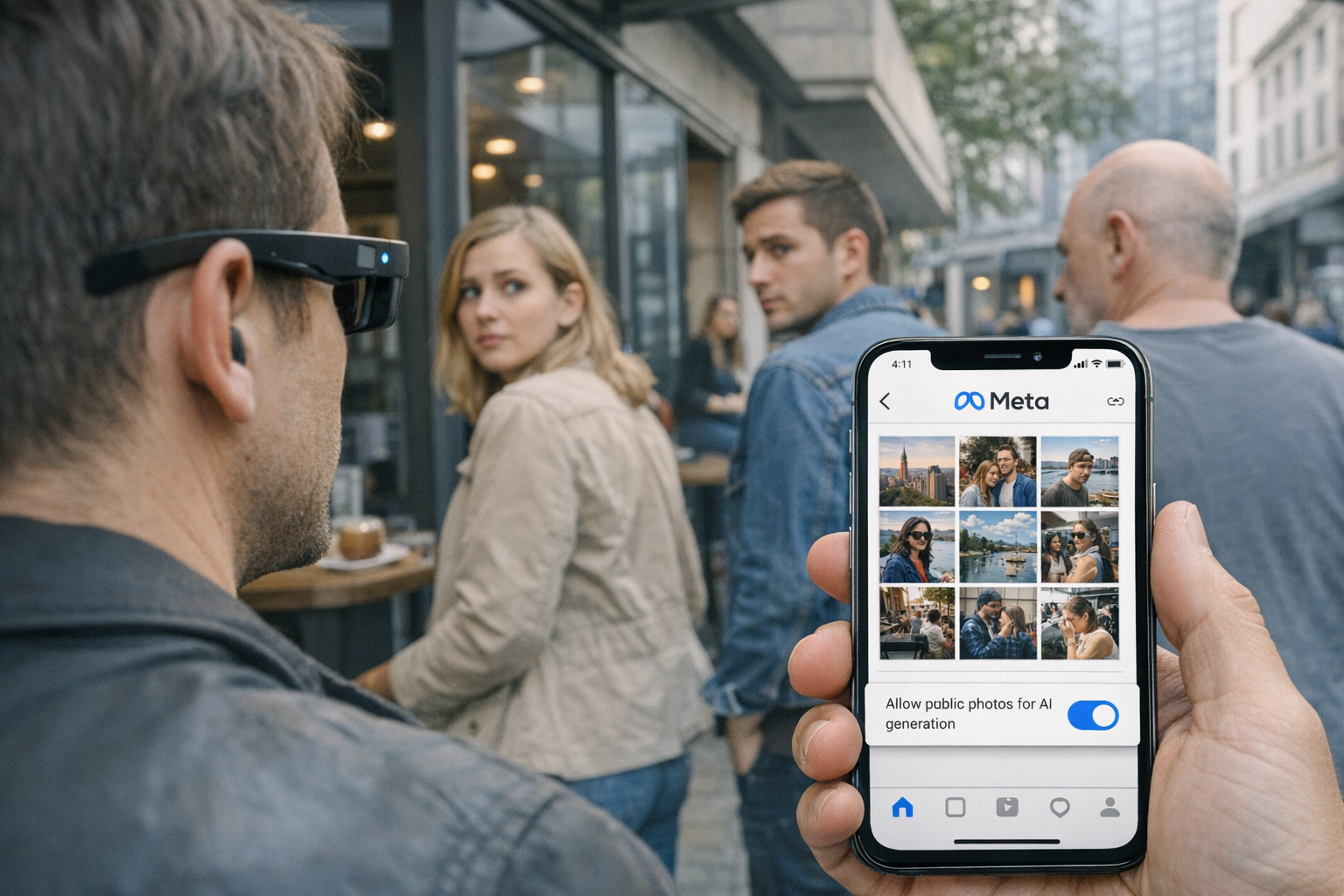
Meta’s latest AI push runs into a familiar obstacle: consent
Meta’s newest artificial intelligence features, unveiled this week as part of a broader push to weave AI more deeply into social media and hardware, are drawing an immediate backlash from privacy advocates and digital-rights critics who say the company is once again asking for forgiveness rather than permission.
The criticism centers on two developments that, taken together, suggest how aggressively Meta is trying to build consumer AI around the raw material of everyday life: the public photos people post online and the audio and images they encounter offline.
On Monday, Meta introduced Muse Image, an image-generation model designed for use across Meta AI and creative tools tied to apps including Instagram and WhatsApp. One feature allows users to @-mention Instagram accounts so the system can use public photos from those profiles to generate images. Meta has said creators can disable that use in settings.
But the company’s decision to include public Instagram accounts by default unless users opt out has ignited concern that personal images are being folded into AI systems without clear, affirmative consent. At nearly the same time, reports emerged that Meta is testing prototype AI glasses with so-called “super sensing” capabilities that could continuously capture what wearers see and hear throughout the day, allowing them to later ask the system about those experiences.
For critics, the pairing is striking. In one case, the company is drawing from publicly posted social images; in the other, it is exploring technology that could potentially collect a stream of first-person life data. Both raise the same question: who gets a say before their likeness, voice or daily routines become inputs for AI?
Public photos, private unease
Meta has presented Muse Image as a technical leap forward, part of a race among major technology companies to build more capable image tools that can not only produce pictures from prompts but refine them using other software tools and contextual information.
Yet the rollout has focused less on the quality of the model than on the policy beneath it.
The @-mention feature means that a user can invoke another person’s public Instagram presence in generating an AI image. Meta says users who do not want their public content used in this way can switch the setting off. But privacy critics argue that the burden should not fall on users to discover and reverse a default they may not even realize exists.
That criticism lands in a regulatory climate that has grown less tolerant of broad, passive consent. In Europe, the General Data Protection Regulation places strict conditions on the processing of personal data, while the European Union’s AI Act adds new scrutiny to how AI systems are built and deployed. Legal experts have increasingly questioned whether opt-out frameworks are sufficient when biometric features, identity cues and personal images are involved.
The issue is not merely abstract. Public Instagram photos may be visible to anyone, but many users still distinguish between sharing a picture on a social network and having it repurposed by an AI system to construct new images. That gap between social visibility and machine reuse has become one of the defining tensions of the generative AI era.
The next frontier: glasses that never stop looking
If Muse Image has stirred concern over how Meta uses existing content, the reports about its experimental glasses have intensified fears about what content the company may seek to collect next.
According to reports this week, Meta is testing AI-powered eyewear that would continuously record audio and images, creating a searchable archive of a wearer’s day. The idea, as described, is that users could later ask the system what they saw, heard or encountered.
Meta has not publicly confirmed that such a product will be released. But the company did publish a privacy FAQ on Tuesday addressing its current AI glasses, saying the camera will be disabled if the device’s capture indicator light is tampered with.
That statement appeared to acknowledge a core public anxiety around smart glasses: whether bystanders can reliably tell when they are being recorded.
For years, camera-equipped glasses have occupied an uneasy place in consumer technology, promising convenience and novelty while reviving old fears about covert recording. AI makes those fears sharper. A device that does not merely capture footage but interprets it, stores it, summarizes it and potentially links it to other data systems changes the stakes for everyone in view of the lens, not just the wearer.
Civil-liberties organizations and some U.S. lawmakers had already been pressing Meta earlier this year over reports that the company was considering facial-recognition capabilities for smart glasses. Critics warned that such tools could normalize real-time identification in public spaces, a long-feared form of everyday surveillance. The emergence of “super sensing” reports has only widened that alarm.
A broader shift toward ambient data
What ties the two controversies together is Meta’s apparent determination to make AI more embedded, personal and constant.
The company has spent the past two years trying to move beyond chatbots and into AI systems that act as creative partners, social tools and wearable assistants. Muse Image fits that strategy by turning the vast social graph of Instagram into a resource for visual generation. Smart glasses fit it by extending Meta’s reach from screens into the physical world.
Both depend on what privacy scholars often call ambient data: the traces people leave simply by living, posting, moving and appearing near connected devices.
That matters because the people most affected may not be the ones using the feature. With Muse Image, the relevant person may be the Instagram user whose public photos are drawn into a generation request. With always-on glasses, it may be the passer-by, co-worker, friend or stranger whose face or voice enters the system without ever touching the device.
In each case, the question of consent becomes diffuse. It is difficult enough to ensure that account holders understand a setting buried in a menu. It is harder still to imagine meaningful consent for everyone who might be incidentally recorded in a café, on a train or in an office.
Why the backlash matters now
The timing is especially important because Meta is trying to establish itself as a leader in consumer AI at a moment when the industry is moving quickly from experimental tools to mainstream products. Competition from OpenAI, Google and others has increased pressure on large platforms to find fresh sources of data, distinctive interfaces and new habits that keep users inside their ecosystems.
That urgency can collide with public expectations around privacy. Consumers have grown more accustomed to AI in search, messaging and photo editing. But they have also become more sensitive to how companies collect and repurpose personal information, particularly after repeated controversies over scraping, surveillance and opaque defaults.
Meta’s challenge is not just technical. It is social and political. A feature can be sophisticated and still fail if users believe it crosses a line.
It remains unclear how many Instagram users understand that their public photos may be available for Muse Image unless they opt out, how simple and comprehensive that opt-out is, and whether European regulators will decide the arrangement falls short of consent requirements. On the hardware side, even more basic questions are unresolved: whether Meta will ever ship an always-on sensing feature, what data would be retained, who could access it, whether visible recording signals would remain intact, and what protections would exist for people who never agreed to be part of the system at all.
For now, Meta’s latest AI advances have reopened an old debate in a new form. The company wants AI that can see more, remember more and create more. Its critics are asking whether that ambition is once again outpacing the public’s ability to choose how much of themselves they are willing to give.
Sources
Further reading and reporting used to add context:
- https://www.axios.com/2026/07/07/ai-meta-image-generator
- https://www.wired.com/story/meta-now-lets-anyone-use-your-instagram-photos-in-ai-images-unless-you-opt-out/
- https://techcrunch.com/2026/07/08/meta-wants-its-ai-glasses-to-seem-less-creepy-its-ai-strategy-says-otherwise/
- https://www.thenationalnews.com/future/technology/2026/07/08/how-to-opt-out-of-meta-muse-image-instagram/
- https://about.fb.com/br/news/2026/07/apresentando-o-muse-image-geracao-de-imagens-feita-para-o-seu-mundo/
- https://techcrunch.com/2026/07/07/meta-rolls-out-muse-a-new-ai-image-generator/
- https://roadtovr.com/meta-ray-ban-glasses-privacy-led-camera-update/
- https://techcrunch.com/2026/03/05/meta-sued-over-ai-smartglasses-privacy-concerns-after-workers-reviewed-nudity-sex-and-other-footage/
- https://www.gadgets360.com/ai/news/meta-muse-image-ai-image-generation-public-instagram-posts-11743717
- https://www.itmedia.co.jp/news/articles/2607/09/news085.html
- https://www.reddit.com/r/RayBanStories/comments/1uqcrhk/metas_glasses_will_turn_off_the_camera_if_you/
- https://about.fb.com/ltam/news/2026/07/presentamos-muse-image-generacion-de-imagenes-para-tu-mundo/amp/
- https://www.itmedia.co.jp/news/articles/2607/08/news087.html
- https://www.techspot.com/news/113044-meta-new-ai-tool-can-generate-images-you.html
- https://www.reddit.com/r/Instagram/comments/1uqo8y5/meta_now_lets_anyone_use_your_instagram_photos_in/
- https://cdn.arstechnica.net/wp-content/uploads/2026/04/amended-complaint.pdf
- https://www.reddit.com/r/RaybanMeta/comments/1ul3icp/job_officially_banned_smart_glasses/
- https://www.reddit.com/r/technology/comments/1urbd2z/more_courts_banning_smart_glasses_as_concerns/
- https://www.reddit.com/r/RaybanMeta/comments/1uqjgtg/whats_your_take_on_this/
- https://www.techradar.com/computing/virtual-reality-augmented-reality/meta-just-paywalled-a-super-useful-ray-ban-smart-glasses-accessibility-feature-and-i-have-3-reasons-why-this-decision-makes-zero-sense
- https://www.tomsguide.com/computing/smart-glasses/i-wore-meta-ai-glasses-for-a-month-and-even-after-struggling-with-privacy-concerns-im-still-not-convinced-theyre-the-future-of-wearables
- https://www.androidcentral.com/wearables/meta-ai-glasses-2026-hands-on-kylie-jenner
- https://apnews.com/article/cf0f94a8ed9e21421735adf0d15d312a
- https://about.fb.com/news/2026/07/metas-ai-glasses-your-questions-answered/amp/
- https://about.fb.com/news/2026/07/introducing-muse-image-meta-ai/amp/
- https://about.fb.com/ltam/news/2026/07/lentes-con-ia-de-meta-respondemos-tus-preguntas/
- https://about.fb.com/News/page/21/?cat=26
- https://about.fb.com/NEWS/page/149/?cat=26
- https://about.fb.com/News/page/64/?SubjectID=105
- https://about.fb.com/News/page/22/?SubjectID=105
- https://about.fb.com/news-/page/5/?cat=26
- https://about.fb.com/News/page/6/?SubjectID=516
- https://about.fb.com/news/2026/06/free-ai-glasses-for-every-blind-veteran/
- https://about.fb.com/News/page/30/?SubjectId=95
- https://about.fb.com/News/page/143/?SubjectID=92
- https://about.fb.com/wp-content/uploads/2022/07/META_Human-Rights-Report-July-2022-1.pdf
- https://about.fb.com/wp-content/uploads/2024/03/NTIA-RFC-Meta-Response-March-2024.pdf
- https://about.fb.com/wp-content/uploads/2020/07/Privacy-Transparency-White-Paper.pdf
- https://about.fb.com/wp-content/uploads/2022/07/Privacy-Within-Metas-Integrity-Systems.pdf
- https://www.theinformation.com/articles/meta-renews-work-facial-recognition-tech-privacy-worries-fade/
- https://arxiv.org/abs/2604.03486
- https://www.techradar.com/computing/virtual-reality-augmented-reality/metas-next-smart-glasses-might-have-an-always-on-ai-i-dont-care-how-useful-it-is-im-never-turning-it-on
- https://budgyapp.com/meta-super-sensing-ai-glasses-ft-report/
- https://www.cbsnews.com/texas/news/meta-glasses-texas-investigation-5-20-2026/
- https://about.fb.com/news/2026/06/meta-essilorluxottica-partner-launch-meta-glasses/
- https://www.techmeme.com/260708/p2
- https://about.fb.com/news/tag/ai-glasses/
- https://www.tomshardware.com/peripherals/wearable-tech/ray-ban-meta-glasses-review
- https://www.digitaltrends.com/wearables/meta-could-be-working-on-always-seeing-always-hearing-ai-smart-glasses-with-ai-super-sensing-power/
- https://the-decoder.com/meta-tests-always-on-ai-glasses-that-capture-your-entire-day/
- https://www.macrumors.com/2025/04/30/meta-ray-bans-data-ai/
- https://www.gadgets360.com/wearables/news/meta-smart-glasses-super-sensing-prototype-testing-11743229
- https://arxiv.org/abs/2604.23691
- https://arxiv.org/abs/2601.19502
- https://www.wsj.com/public/resources/documents/3THzRsqNXLX2XG414QmL-WSJNewsPaper-4-6-2026.pdf
- https://cdn.arstechnica.net/wp-content/uploads/2025/06/META-Q1-2025-Earnings-Call-Transcript-1.pdf
- https://arxiv.org/abs/2602.22683
- https://www.pcgamer.com/hardware/we-see-everything-report-says-metas-ai-smart-glasses-footage-is-reviewed-by-human-contractors-who-see-far-more-than-they-bargained-for-which-has-led-to-a-new-lawsuit-against-the-company/
- https://www.svd.se/a/K8nrV4/metas-ai-smart-glasses-and-data-privacy-concerns-workers-say-we-see-everything
- https://www.androidcentral.com/wearables/meta-ray-ban-display-glasses-vs-ray-ban-meta-gen-2
- https://apnews.com/article/250fdea4b876ef79457c488a4aca2862
- https://about.fb.com/News/page/80/?SubjectID=100
- https://about.fb.com/News/page/79/?SubjectID=100
- https://about.fb.com/news-/page/54/
- https://about.fb.com/News/page/135/?SubjectID=100
- https://about.fb.com/News/page/6/?SubjectID=89
- https://about.fb.com/News/page/22/?MobileOptOut=1
- https://about.fb.com/News/page/28/?SubjectID=67
- https://about.fb.com/news-/page/12/
- https://about.fb.com/news/2026/05/meta-ai-wearables-changing-the-game-for-disabled-people/
- https://about.fb.com/News/page/100/?SubjectID=84
- https://about.fb.com/News/page/9/?SubjectID=67
- https://truthinadvertising.org/wp-content/uploads/2026/03/Tejada-v-Meta-Samasource-and-Luxottica-complaint.pdf
- https://techcrunch.com/wp-content/uploads/2026/03/Clarkson_Meta_Class_Action_Complaint-1.pdf
- https://truthinadvertising.org/wp-content/uploads/2026/03/Levian-v-Meta-and-Luxottica-complaint.pdf
- https://chatgptiseatingtheworld.com/wp-content/uploads/2026/03/Beltran-et-al-v.-Meta-Platforms-Inc.-COMPLAINT-Mar-16-2026-Entry-1.pdf
- https://www.aclum.org/app/uploads/2026/04/Sign-On-Letter-to-Meta-Regarding-Facial-Recognition-Features-on-Meta-Glasses-April-14.pdf
- https://chatgptiseatingtheworld.com/wp-content/uploads/2026/03/Koshari-v.-Meta-March-9-2026.pdf
- https://www.reddit.com/r/augmentedreality/comments/1rx4wiu/us_senators_press_meta_on_facial_recognition/
- https://www.tomsguide.com/ai/meta-sued-over-smart-glasses-privacy-claims-6-changes-you-should-make-right-now
- https://www.techradar.com/computing/virtual-reality-augmented-reality/your-meta-ray-ban-smart-glasses-dont-have-facial-recognition-yet-and-over-70-privacy-advocacy-organizations-want-it-to-stay-that-way
- https://www.androidcentral.com/apps-software/meta/i-protect-my-privacy-while-using-meta-smart-glasses-with-these-3-settings-and-you-can-too
- https://www.t3.com/tech/vr/meta-locks-essential-ray-bans-feature-behind-a-paywall-even-though-its-on-the-glasses-not-the-cloud
- https://www.aclum.org/publications/coalition-letter-to-meta-regarding-frt-feature/
- https://www.aclu.org/press-releases/aclu-and-75-organizations-sound-alarm-on-metas-plans-to-add-facial-recognition-technology-to-ray-ban-and-oakley-eyeglasses
- https://www.markey.senate.gov/news/press-releases/markey-wyden-merkley-demand-transparency-from-meta-on-facial-recognition-technology-in-smart-glasses
- https://www.markey.senate.gov/download/letter-to-meta-on-frt-in-smart-glasses?download=1
- https://epic.org/epic-joins-coalition-call-to-halt-metas-plans-for-facial-recognition-smart-glasses/
- https://www.gadgets360.com/ai/news/meta-facial-recognition-feature-smart-glasses-opposed-by-privacy-organisations-open-letter-11367076
- https://consumerfed.org/news/press-releases/over-60-civil-society-groups-oppose-meta-s-plan-to-integrate-facial-recognition-into-smart-glasses-warn-of-widespread-surveillance-risks/
- https://www.enough.org/news/QJCZUJ9LYMR
- https://business.cch.com/CybersecurityPrivacy/smartglassesletter031926.pdf
- https://www.socialmediatoday.com/news/advocacy-groups-warn-against-adding-facial-recognition-to-meta-ai-glasses/817387/
- https://www.wired.com/story/meta-ray-ban-oakley-smart-glasses-no-face-recognition-civil-society/
- https://insideaipolicy.com/ai-daily-news/aclu-leads-open-letter-75-civil-society-groups-scolding-meta-over-plans-ai-enabled
- https://advocacy.consumerreports.org/wp-content/uploads/2026/04/Consumer-Reports-%E2%80%93-SB-1130-%E2%80%93-SUPPORT-Senate-Privacy-1.pdf
- https://www.ewintelligence.com/legal-and-institutional/meta-urged-to-drop-reported-facial-recognition-plans/120630.article
- https://www.heise.de/news/Privatsphaere-Buergerrechtler-warnen-vor-Gesichtserkennung-bei-Meta-Smart-Glasses-11255667.html
- https://www.reddit.com/r/augmentedreality/comments/1sa2ofi/60_ngos_urge_us_congress_keep_facial_recognition/
- https://www.techradar.com/computing/virtual-reality-augmented-reality/metas-smart-glasses-might-soon-sport-facial-recognition-and-the-code-to-power-this-dystopian-feature-is-already-present-in-the-meta-ai-app-on-your-phone
- https://www.pcgamer.com/hardware/reports-suggest-meta-was-working-on-another-facial-recognition-feature-that-was-quietly-pushed-out-to-millions-of-users-before-being-just-as-quietly-deleted/
- https://theweek.com/tech/smart-glasses-new-privacy-threat
- https://www.fool.com/investing/breakfast-news/2026/07/08/breakfast-news-meta-testing-new-all-seeing-ai/
- https://www.tipranks.com/news/the-fly/meta-tests-super-sensing-ai-glasses-captures-audio-visual-ft-says-thefly-news
- https://www.reddit.com/r/artificial/comments/1uqqaxd/ft_meta_is_testing_an_alwayson_super_sensing_mode/
- https://www.cnbeta.com.tw/articles/tech/1568386.htm
- https://www.uctoday.com/immersive-workplace-xr-tech/meta-ai-glasses-workplace-privacy-compliance/
- https://www.eweek.com/news/meta-smart-glasses-ai-privacy-recording/
- https://www.poder360.com.br/poder-tech/meta-testa-oculos-com-ia-para-gravar-rotina-continuamente/
- https://www.reddit.com/r/Optionmillionaires/comments/1uqow2q/meta_tests_super_sensing_ai_glasses_captures/
- https://www.aclum.org/app/uploads/2026/04/Coalition-Letter-to-Meta-Regarding-FRT-Feature_FINAL.pdf
- https://www.reddit.com/r/MetaRayBanDisplay/comments/1ulndux/meta_puts_standout_rayban_glasses_feature_behind/
- https://www.reddit.com/r/technology/comments/1unqi82/surprise_meta_says_now_you_have_to_pay_a_monthly/
- https://www.reddit.com/r/technology/comments/1uk72w4/meta_is_adding_ridiculous_rate_limits_and_a_soft/
- https://www.reddit.com/r/RWATimes/comments/1uouyk6/1_thing_that_could_send_meta_platforms_stock/
- https://www.androidcentral.com/gaming/virtual-reality/this-could-be-our-first-look-at-the-next-ray-ban-meta-smart-glasses
- https://www.tomsguide.com/tech/apple-in-2026
- Introducing Muse Image: Image Generation Built for Your World
- Meta Now Lets Anyone Use Your Instagram Photos in AI Images—Unless You Opt Out | WIRED









Leave a Reply