
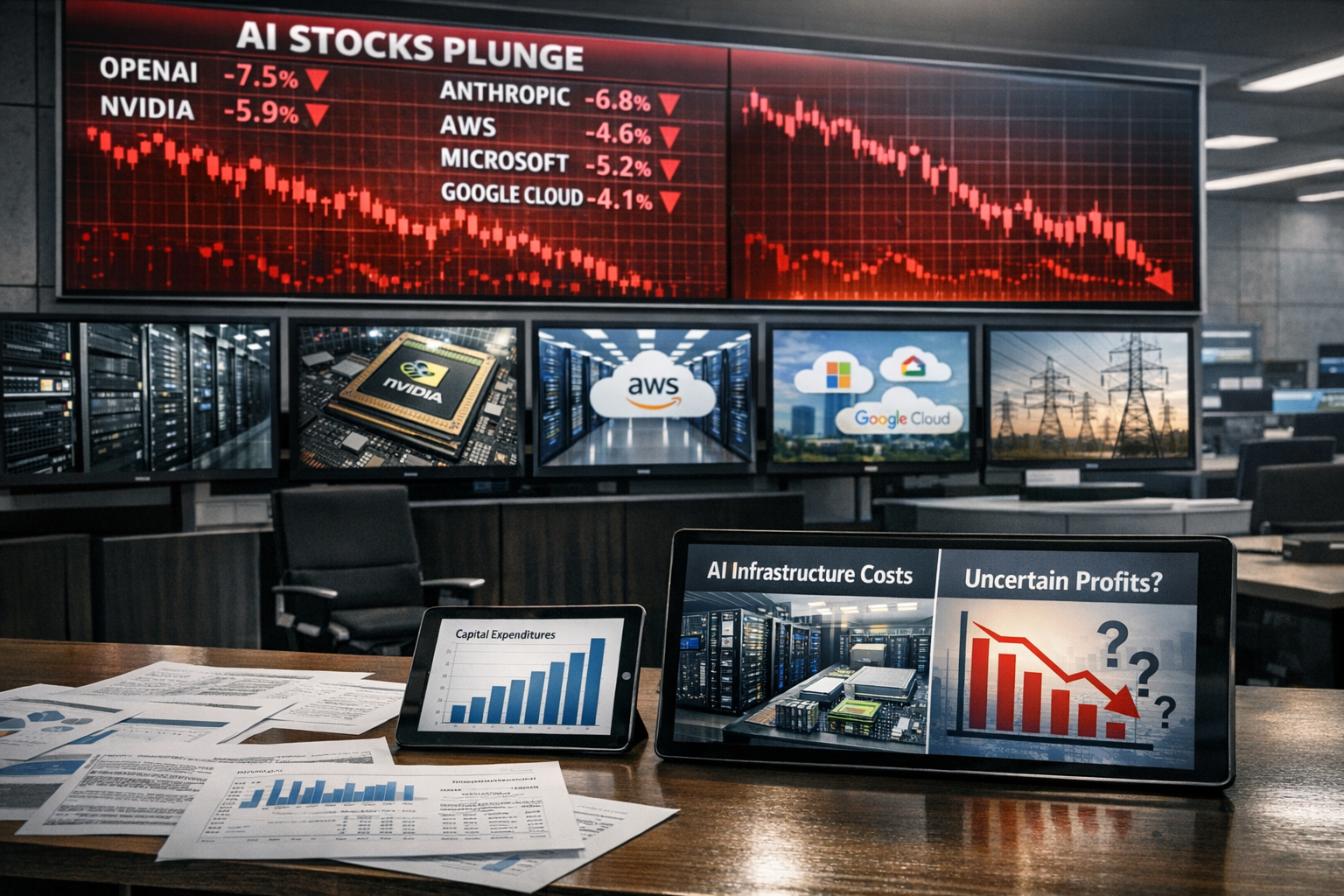
A Costly New Phase for the AI Trade
The market’s romance with artificial intelligence is entering a harsher phase.
After more than a year in which investors largely rewarded almost any company tied to the technology, global stocks fell on Monday as anxiety spread over a more basic question: who will pay for the AI boom, and when will it begin to pay for itself?
The pullback followed a sharp late-week sell-off in American technology shares and reflected a growing unease that the industry’s biggest players are committing to vast spending on chips, data centers and electricity without yet showing returns to match. Oil prices also climbed as renewed conflict between Iran and Israel added another layer of market strain, but the shift in sentiment around AI stood out because it cut to the center of one of the market’s defining narratives.
For months, investors have accepted extraordinary valuations for companies building or supplying advanced AI systems on the assumption that demand will eventually justify the expense. Now that assumption is being tested more openly.
Analysts have begun to describe the market as moving from exuberance to selectivity. Instead of treating AI as a single rising tide, investors are increasingly distinguishing between companies that can finance “eye-watering” capital expenditures and those that may struggle to turn heavy investment into durable profit.
The Multitrillion-Dollar Bet
The scrutiny comes as the scale of AI spending has become impossible to ignore.
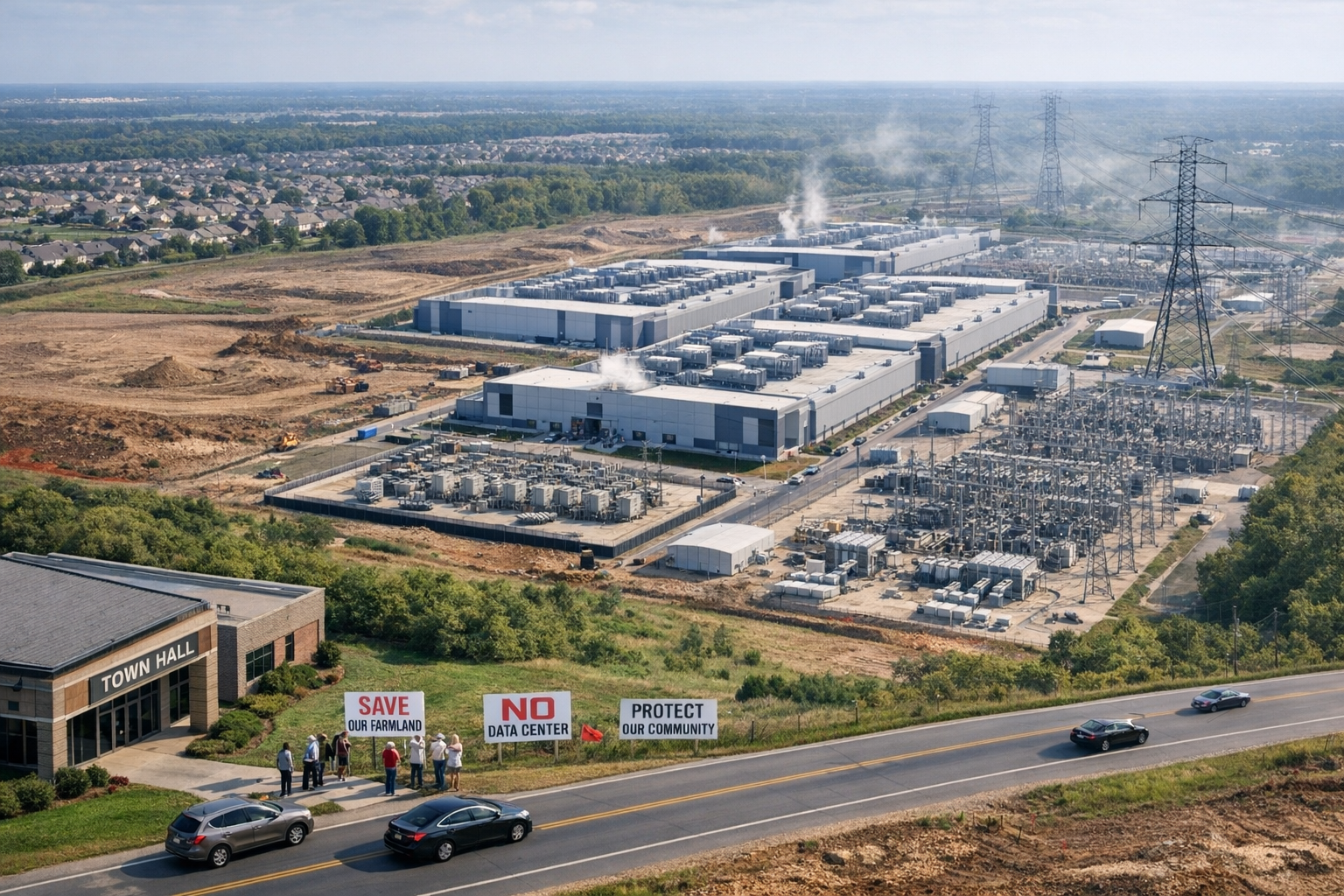
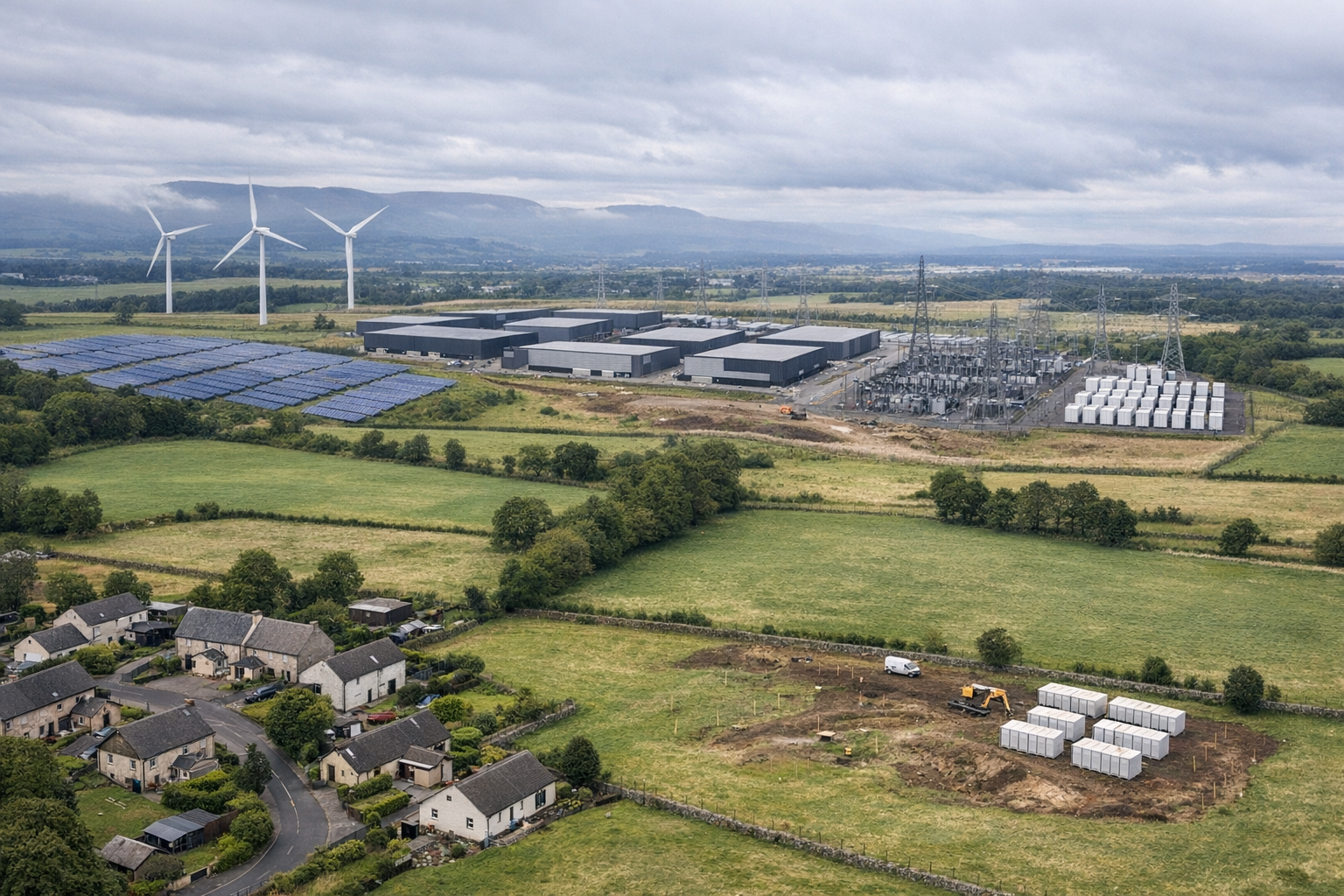
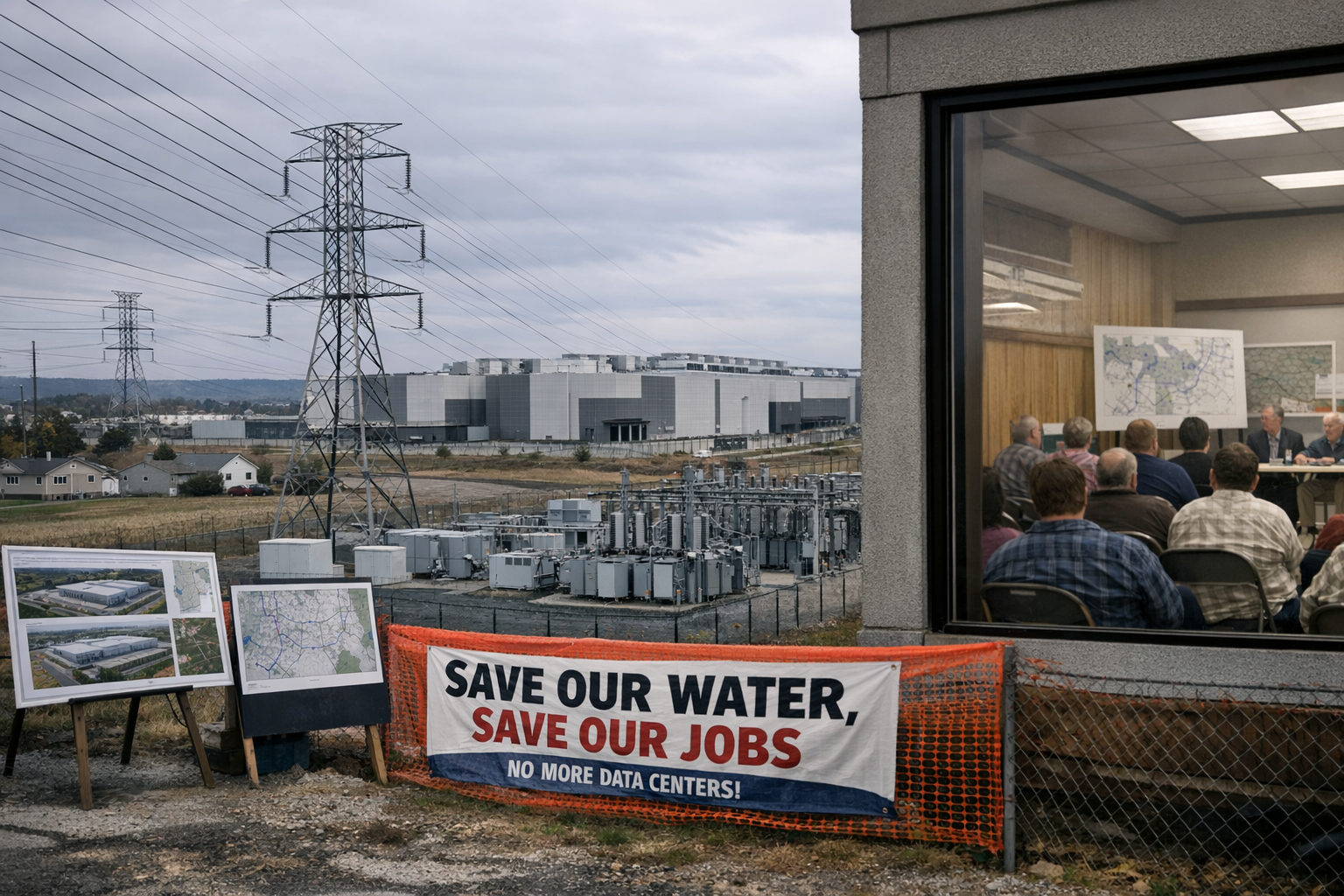
The current boom has been powered not only by the rapid adoption of chatbots and generative AI tools, but by an infrastructure race that is unusually capital-intensive even by Silicon Valley standards. Training and running frontier AI models requires specialized chips, warehouses full of servers, cooling systems, networking equipment and, increasingly, access to large amounts of electricity. In many regions, power supply and grid expansion have become practical constraints on growth.
That has turned AI into a business cycle shaped as much by industrial build-out as by software hype. Companies are pouring money into data centers and compute capacity on the expectation that consumer and enterprise demand will keep accelerating. But while usage has grown quickly, the returns remain less clear.
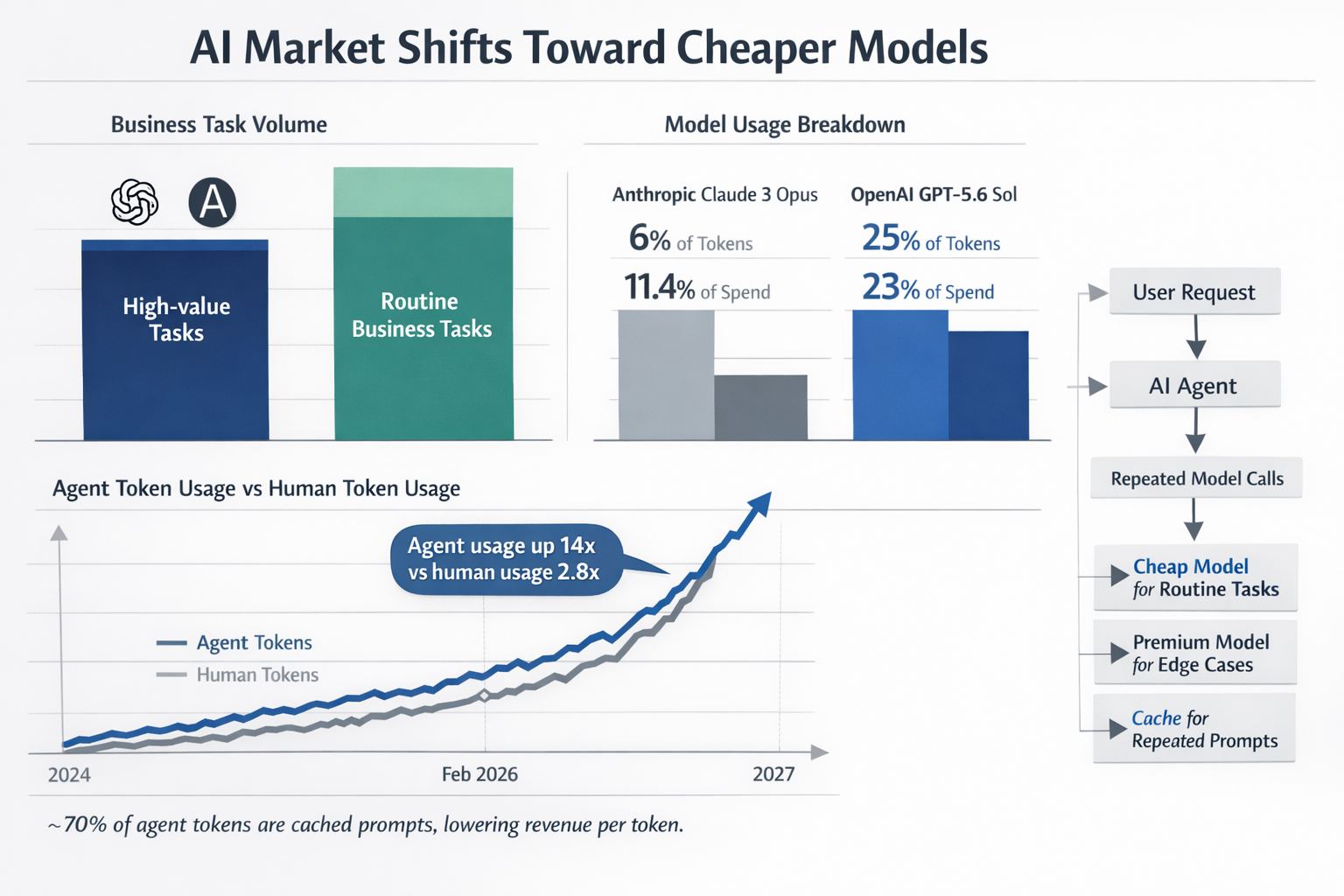
The central question for investors is one of unit economics: whether revenue from subscriptions, enterprise contracts and AI-powered services will rise fast enough, and at high enough margins, to cover the mounting costs of training, inference and infrastructure. The industry’s payoff, as some recent market analyses have put it, remains to a significant extent hypothetical.
That matters beyond the technology sector. A sustained AI build-out has implications for utilities, real estate, semiconductor manufacturing and credit markets. If the spending proves justified, it could anchor a long expansion in digital infrastructure. If not, today’s enthusiasm could leave companies and investors confronting expensive overcapacity.
Wall Street’s Next Test: The IPO Queue
At the same time that public markets are growing more skeptical, the pipeline of AI listings is beginning to fill.
Anthropic, the maker of Claude, said on June 1 that it had confidentially submitted a draft registration statement to the Securities and Exchange Commission for an initial public offering. OpenAI is also widely reported to be preparing, or to have recently prepared, a confidential filing, though its exact timetable remains uncertain.
Those moves set up what could become the biggest test yet of public-market appetite for AI companies whose strengths and vulnerabilities are unusually intertwined. Their growth prospects are enormous. So are their capital requirements.
If several major AI companies try to list within a relatively short period, investors will have to answer two questions at once: how much demand public markets can absorb, and whether they are willing to finance multiple frontier-model companies simultaneously.
That second question is already being answered one way in private markets. Roughly 90 venture firms and money managers have backed both OpenAI and Anthropic, according to recent reporting, a sign that many investors do not see the companies as mutually exclusive bets. One venture capitalist likened the logic to owning both Pepsi and Coke.
That approach reflects a broad belief that the AI market may be large enough to support more than one winner. But it also postpones a reckoning. Public investors tend to be less forgiving than private backers about overlapping strategies, long payoff horizons and opaque paths to profitability. Once these companies face quarterly scrutiny, the market may start demanding sharper differentiation.
A Market Learning to Ask Harder Questions
The recent shift in tone does not mean investors have stopped believing in AI. It means they are beginning to ask harder, more traditional questions about it.
How defensible are these businesses? How much pricing power will they have? Will enterprise customers keep increasing spending once pilot programs give way to budget reviews? Can consumer products attract enough paying users to offset the immense cost of running cutting-edge systems?
Those questions are becoming more urgent because the AI trade has grown so large. In the past year, enthusiasm about generative AI helped lift major stock indexes and fueled a rush into chipmakers, cloud companies and startups promising to become the next platform giants. The expectation was that massive spending today would produce a similarly massive profit pool tomorrow.
Now the market is trying to determine whether that profit pool will arrive on schedule, or at the scale investors have already priced in.
The answer may not come from technological breakthroughs alone. It may depend just as much on practical bottlenecks such as energy availability, data-center construction and the cost of serving millions of users in real time. AI has moved beyond being simply a software story; it is increasingly an infrastructure story, too.
Why This Moment Matters
What happens over the next few months could shape not just valuations, but the structure of the AI industry itself.
If Anthropic, OpenAI and other highly valued companies move toward the public market amid continued volatility, investors will be forced to decide whether the sector deserves another wave of financing on current terms. A strong reception would suggest that the market still believes several AI leaders can coexist and grow into their valuations. A weaker one could force a reset — on pricing, on spending plans and on the assumption that scale alone guarantees eventual returns.
In that sense, the latest sell-off is about more than a bad day for tech stocks. It is an early signal that the AI boom may be entering a fundamentals-driven phase, in which revenue quality, capital discipline and business model clarity matter more than raw excitement.
For an industry built on promises of transformation, that may be the most consequential test yet.
Sources
Further reading and reporting used to add context:
- https://www.axios.com/2026/06/02/anthropic-ipo-ai-sticker-shock-spending-usage
- https://www.tomshardware.com/tech-industry/anthropic-files-to-go-public-claude-maker-races-openai-and-spacex-to-ipo
- https://moneyweek.com/investments/tech-stocks/anthropic-ipo-process
- https://www.wired.com/story/openai-and-anthropic-may-be-rivals-but-their-investors-arent-choosing-sides/
- https://www.theguardian.com/technology/2026/jun/07/billions-spent-hypothetical-returns-the-ai-boom-explained-with-six-charts
- https://www.theguardian.com/business/2026/jun/08/stock-markets-fall-tech-firms-ai-boom-oil-prices-iran-israel
- https://www.winzheng.com/en/article/ai-ipo-whistleblower-instagram-hack
- https://aiweekly.co/node/2569
- https://booboone.com/the-ai-ipo-race-heats-up-doge-whistleblower-sues-elon-musk-and-instagram-gets-hacked/
- https://techcrunch.com/2026/05/04/anthropic-and-openai-are-both-launching-joint-ventures-for-enterprise-ai-services/
- https://www.wired.com/tag/venture-capital/
- https://www.tomshardware.com/tech-industry/artificial-intelligence/anthropic-surpasses-biggest-rival-openai-in-secondary-market-valuation-surges-to-usd1-trillion-amid-frantic-investor-interest
- https://techcrunch.com/2026/02/23/with-ai-investor-loyalty-is-almost-dead-at-least-a-dozen-openai-vcs-now-also-back-anthropic/
- https://www.euronews.com/business/2026/06/08/the-3trn-question-can-markets-handle-spacex-openai-and-anthropic-all-at-once
- https://www.theguardian.com/technology/2026/may/25/musk-altman-ai-rivalry-ipo
- https://www.axios.com/2026/04/21/openai-anthropic-enterprise-rivalry-heats-up
- https://www.bloomberg.com/news/articles/2026-02-11/vcs-rush-to-back-rivals-openai-and-anthropic-as-ai-frenzy-mounts
- https://www.reddit.com/r/GUARDIANauto/comments/1tzbtmr/tech_billions_spent_and_hypothetical_returns_the/
- https://www.reddit.com/r/GUARDIANauto/comments/1tzgn7t/business_billions_spent_and_hypothetical_returns/
- https://www.reddit.com/r/GUARDIANauto/comments/1tz9dhz/lifestyle_billions_spent_and_hypothetical_returns/
- https://www.axios.com/2026/06/01/anthropic-ipo-openai
- https://www.tomsguide.com/ai/breaking-anthropic-just-filed-for-an-ipo-heres-what-it-means-for-claude-users
- https://apnews.com/article/572bb6cc12053c7aa95f775285cf4b73
- https://www.anthropic.com/news/confidential-draft-s1-sec
- https://fortune.com/2026/06/01/anthropic-confidentially-files-ipo-965-billion-valuation/
- https://enterprisedna.co/resources/news/anthropic-s1-ipo-filing-june-2026/
- https://decodethefuture.org/en/anthropic-s1-ipo-filing-explained/
- https://www.home.saxo/content/articles/equities/should-investors-abandon-ai-as-software-stocks-slide-04022026
- https://www.mlex.com/mlex/articles/2484192/anthropic-submits-confidential-s-1-to-sec-in-advance-of-ipo
- https://pick-right.com/news/anthropic-s1-confidential-filing-2026-06-01/
- https://kvia.com/news/business-technology/cnn-business-consumer/2026/06/01/anthropic-confidentially-files-to-go-public/
- https://news.bitcoin.com/anthropic-files-confidential-s-1-with-sec-targets-ipo-at-965b-valuation/
- https://www.axios.com/2026/05/20/openai-ipo-spacex-musk
- https://capital.com/en-int/learn/ipo/openai-ipo
- https://kodiq.ai/blog/ai-news-2026-05-31-openai-confidential-ipo-filing
- https://www.home.saxo/en-ch/content/articles/morning-brew/morning-brew–june-8-2026-08062026
- https://techxplore.com/news/2026-06-ai-giant-anthropic-confidentially-ipo.pdf
- https://www.reddit.com/r/ThinkingDeeplyAI/comments/1t0j41q/openai_leaked_cap_table_top_10_insights_shaping/
- https://www.reddit.com/r/aicuriosity/comments/1tty5dj/anthropic_moves_closer_to_ipo_after_submitting/
- https://www.reddit.com/r/InterstellarKinetics/comments/1tu3mye/breaking_anthropic_has_officially_filed_to_go/
- https://www.reddit.com/r/stockpicksdaily/comments/1tu23np/anthropic_files_confidential_s1_as_spacex/
- https://en.wikipedia.org/wiki/OpenAI
- https://www.reddit.com/r/BetterOffline/comments/1ttwwjz/anthropic_submits_confidential_s1/
- Stock markets fall as concerns persist over tech firms at heart of AI boom | Oil | The Guardian
- Anthropic confidentially submits draft S-1 to the SEC
- Billions spent and hypothetical returns: the AI boom explained with six charts | AI (artificial intelligence) | The Guardian
- The €3trn question: Can markets handle SpaceX, OpenAI and Anthropic all at once? | Euronews
- OpenAI and Anthropic May Be Rivals, but Investors Aren’t Picking Sides | WIRED







Leave a Reply