
Questions of Trust
Two separate episodes in Britain and the Netherlands are intensifying scrutiny of how artificial intelligence is seeping into the machinery — and the public theater — of justice.
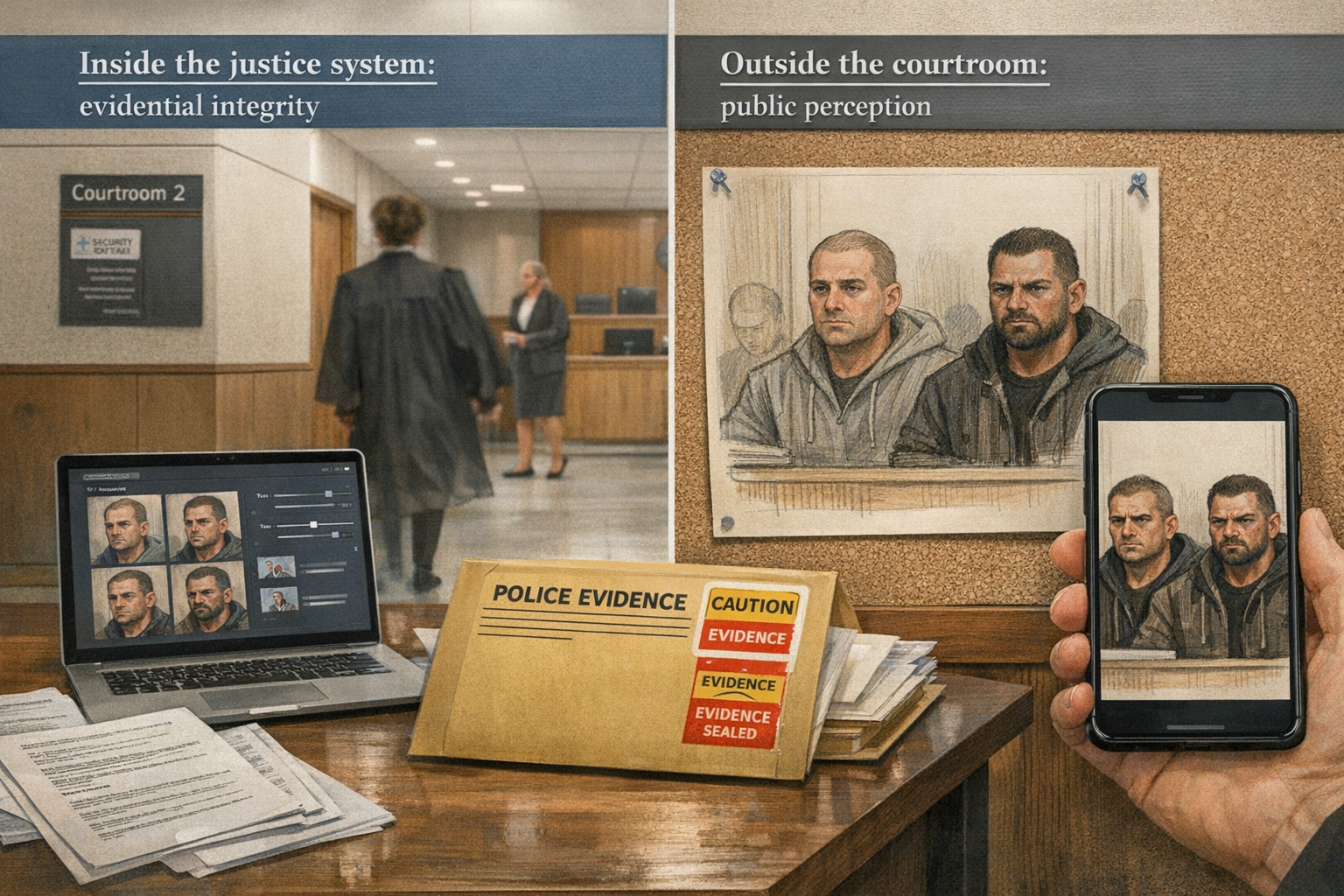
In England, a police officer in Derbyshire has been removed from frontline duties and placed under criminal investigation over allegations that artificial intelligence was used to create evidential material in multiple cases, an accusation so serious that investigators are examining whether it could amount to perverting the course of justice. In the Netherlands, a court artist has been awarded damages after a regional branch of Geert Wilders’ far-right Party for Freedom, or PVV, altered one of her courtroom sketches with A.I. to make two convicted Syrian brothers appear more menacing in a political video.
The cases are different in kind but linked in consequence. One raises the possibility that A.I. may have contaminated material used inside the legal system itself. The other shows how the same technology can be used outside the courtroom to reshape public perception of defendants and legal proceedings after the fact.
Together, they underscore a rapidly emerging problem for democratic institutions: as synthetic tools become more accessible, the line between documentation and manipulation is becoming harder to defend.
A Criminal Inquiry in Britain
Derbyshire Police said the officer, who has not been publicly identified, is being investigated over the alleged use of A.I. to create evidential material in a number of cases. The Crown Prosecution Service said it was working with the force and described the matter as being at an early stage.
Authorities have disclosed few details, leaving some of the most important questions unanswered: what exactly the “evidential material” was, how many cases may have been affected, and whether any prosecutions or convictions could ultimately be challenged. It is not yet clear whether investigators suspect outright fabrication, unauthorized use of A.I. to draft or embellish material, or some less defined misuse that nevertheless tainted formal evidence.
But even without those answers, the sensitivity of the case is clear. Evidence is the core currency of the criminal justice system, and any suggestion that it may have been shaped by generative A.I. carries consequences well beyond a single officer’s conduct.
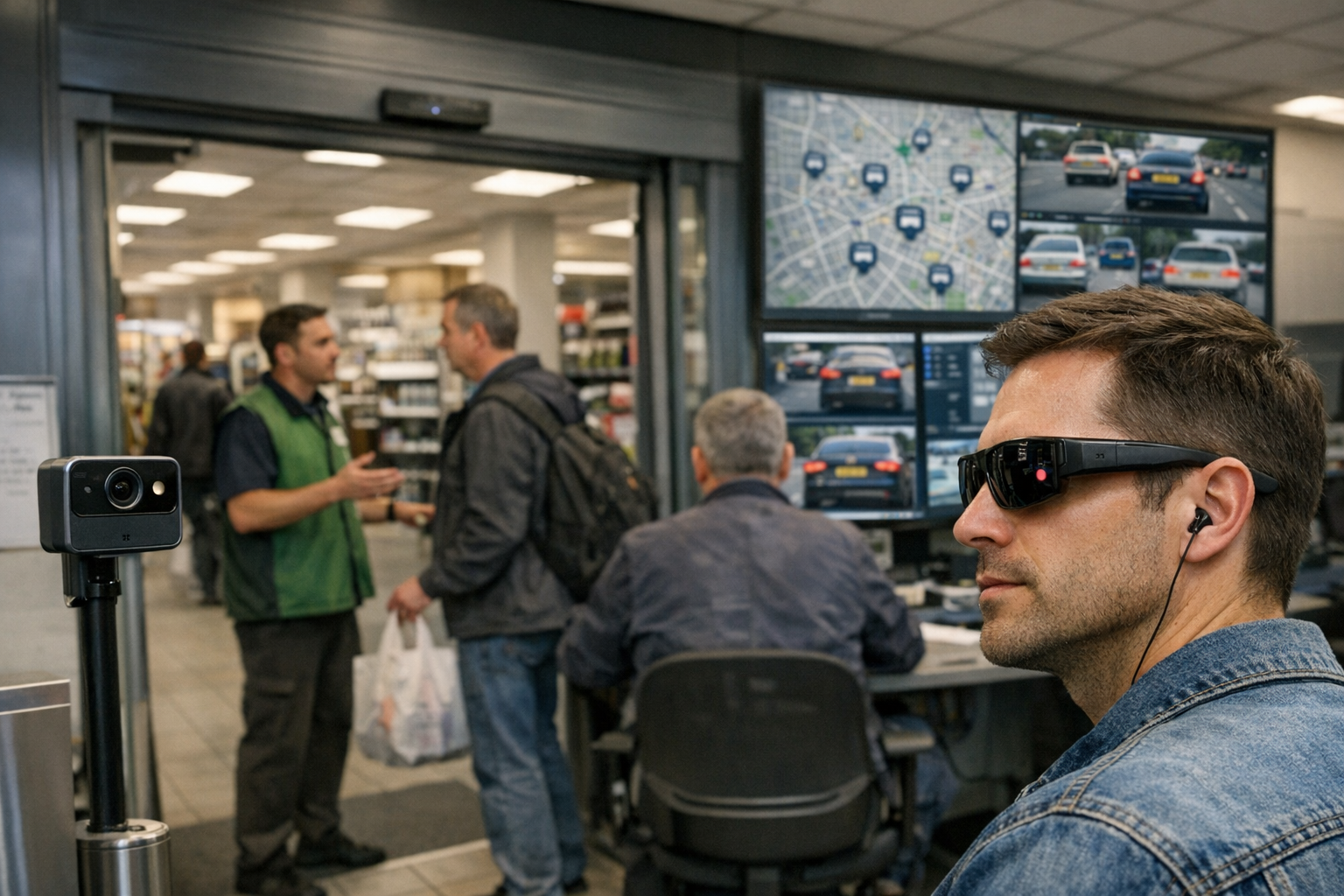
The allegation comes at a particularly awkward moment for the British government, which has been promoting a broader embrace of artificial intelligence in policing. Just days before the Derbyshire case became public, the government formally launched PoliceAI, a national initiative intended to help forces process evidence more quickly and improve their ability to detect deepfakes and other synthetic media. A Home Office factsheet accompanying the rollout stressed that the program would strengthen training, guidance and safeguards against false A.I.-generated evidence.
That official message — that A.I. can be useful if tightly governed — now collides with a case that appears to embody the opposite fear: that the technology might be used inside policing in ways that erode reliability rather than improve it.
Warnings Were Already Mounting
The Derbyshire investigation does not arise in a vacuum. British police forces have already been warned about the risks of using generative A.I. in court-related work, and recent reporting indicated that some forces were told to pause its use for preparing court statements because inaccurate or invented outputs could compromise legal proceedings.
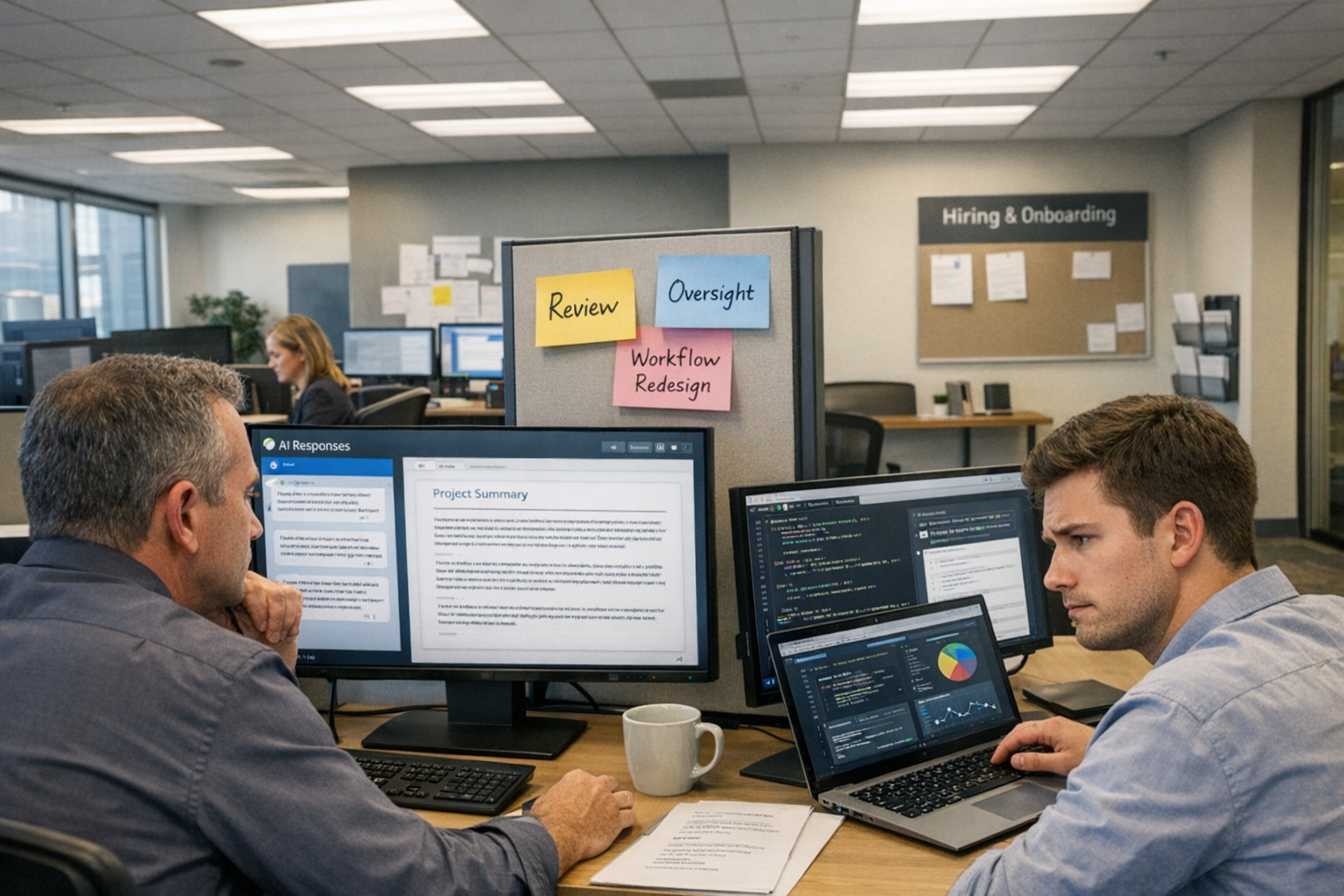
Official guidance has increasingly emphasized human oversight, careful testing and deepfake detection, not unvetted automation, particularly in evidentiary settings. That reflects a broader concern among lawyers, judges and policymakers that even apparently minor use of generative tools can introduce subtle distortions — invented details, misplaced confidence, altered tone or false attribution — that are difficult to spot once they are folded into formal records.
If the allegations in Derbyshire are substantiated, the case could become a defining test of how far existing police rules and criminal law are equipped to deal with A.I.-assisted misconduct. It could also force a review of affected prosecutions, depending on what was created and how it was used.
A Courtroom Image Recast for Politics
In the Netherlands, the dispute centered not on evidence itself but on the visual framing of justice.
Petra Urban, a court artist with nearly two decades of experience, discovered that a courtroom sketch she had made of two Syrian brothers convicted in the killing of their sister had been used without her permission by a regional branch of the PVV. The image was altered with A.I. in a video posted on Instagram and Facebook, making the brothers appear more threatening.
According to Dutch reporting, PVV lawmaker Maikel Boon accepted responsibility and apologized, and the video was removed after attention was drawn to it. Urban received compensation that included not only a standard licensing fee but an additional amount tied to a violation of her moral rights, according to the Dutch journalists’ union, NVJ.
That distinction matters. The case was not only about unauthorized use, but about alteration: an artist’s work was repurposed and changed in a way that distorted both her creation and the depiction of people involved in a criminal case.
Courtroom sketches occupy a particular space in countries where photography in court is restricted or unavailable. They are records, interpretations and acts of journalism at once. Manipulating them with A.I. for partisan messaging introduces a new kind of risk — one in which visual reporting can be made more emotionally charged, more accusatory and less faithful, while still retaining the authority of something that looks like a courtroom document.
Two Fronts in the Same Battle
The British and Dutch episodes point to two fronts in the same broader conflict over truth in the age of generative A.I.
Inside the justice system, the danger is contamination: fabricated or improperly machine-generated material could enter investigations, charging decisions or courtroom proceedings cloaked in official legitimacy. Outside it, the danger is distortion: images and representations of legal cases can be altered to inflame public sentiment, reinforce political narratives or prejudice how suspects and defendants are understood.
Both risks are heightened by the persuasive power of A.I.-assisted content. Synthetic material need not be wholly false to be damaging; it can mislead by exaggerating, sharpening or subtly changing what an audience thinks it sees.
The Dutch case also suggests that existing legal protections — copyright, moral rights and platform accountability — may provide some remedy after the fact, but not necessarily a strong deterrent before manipulated content spreads. And the earlier controversy around A.I.-edited PVV imagery reported in the Netherlands has raised questions about whether such incidents are isolated or part of a wider political habit.
Why This Matters Now
For governments and police agencies, the promise of artificial intelligence has often been framed in terms of speed, efficiency and scale: faster review of evidence, better triage of cases, more sophisticated detection of manipulated media. But these incidents reveal the other side of that promise. The same tools that can help authenticate information can also help pollute it. The same systems that can support justice can undermine confidence in it.
That is why the Derbyshire inquiry may reverberate far beyond one English police force, and why the Dutch artist’s case may matter beyond a single altered image. In both instances, the central issue is not merely misuse of technology. It is whether institutions that depend on public trust — police, courts, journalists and political actors — can preserve the credibility of what people are asked to believe.
At a time when officials are urging the public to rely on new systems for detecting falsehood, these cases are a reminder that the first challenge may be more basic: ensuring that those closest to the legal process do not become sources of synthetic doubt themselves.
Sources
Further reading and reporting used to add context:
- https://www.theguardian.com/technology/2026/jun/12/police-officer-under-criminal-investigation-over-alleged-use-of-ai
- https://www.theguardian.com/world/2026/jun/13/geert-wilders-pvv-dutch-far-right-party-damages-court-artist-change-image-ai
- https://oecd.ai/en/incidents/2026-06-12-ca05
- https://www.theguardian.com/technology/all
- https://www.gov.uk/government/news/policeai-to-speed-up-investigations-and-fight-crime
- https://kondzilla.com/policial-de-derbyshire-e-investigado-por-suposto-uso-de-ia-para-forjar-provas/
- https://www.gov.uk/government/publications/police-use-of-artificial-intelligence-ai-factsheet/police-use-of-artificial-intelligence-ai-factsheet-accessible
- https://www.derbyshire.police.uk/news/derbyshire/news/news/forcewide/2026/april/derbyshire-constabulary-staff-in-court-accused-of-leaking-confidential-police-information/
- https://www.priv.gc.ca/en/opc-news/news-and-announcements/2026/nr-c_260611/
- https://www.headliner.nl/item/pvver-maikel-boon-bekent-schuld-na-ai-bewerking-rechtbanktekening-hele-domme-actie-telegraaf-2230916
- https://www.reddit.com/r/unitedkingdom/comments/1u48rte/derbyshire_police_officer_investigated_over/
- https://www.reddit.com/r/Netherlands/comments/1u4k3jg/dutch_farright_party_pays_damages_to_court_artist/
- https://londondaily.com/derbyshire-police-officer-investigated-over-alleged-use-of-ai-generated-evidence-in-case-files
- https://www.reddit.com/r/thenetherlands/comments/1u4k3v2/dutch_farright_party_pays_damages_to_court_artist/
- https://aiinsider.nl/nieuws/pvv-deelt-ai-afbeelding-gebaseerd-op-rechtbanktekening-nos-meldt-kritiek/
- https://www.reddit.com/r/Futurology/comments/1u61r37/derbyshire_police_officer_investigated_over/
- https://www.reddit.com/r/news/comments/1u4cw1z/derbyshire_police_officer_investigated_over/
- https://www.reddit.com/r/AutoNewspaper/comments/1u4hbvg/tech_dutch_farright_party_pays_damages_to_court/
- https://www.reddit.com/r/policeuk/comments/1u4hnfg/police_officer_from_derbyshire_police_under/
- https://www.reddit.com/r/GUARDIANauto/comments/1u4gurt/tech_dutch_farright_party_pays_damages_to_court/
- https://www.reddit.com/r/aiwars/comments/1u4sell/dutch_farright_party_pays_damages_to_court_artist/
- https://www.reddit.com/r/ukpolitics/comments/1u490mt/derbyshire_police_officer_investigated_over/
- https://www.reddit.com/r/AutoNewspaper/comments/1u4hbv5/world_dutch_farright_party_pays_damages_to_court/
- https://www.reddit.com/r/EUnews/comments/1u4k3oi/dutch_farright_party_pays_damages_to_court_artist/
- https://nvj.nl/actueel/rechtbanktekenaar-petra-urban-krijgt-schadevergoeding-na-ai-bewerking-door-pvv
- https://nos.nl/artikel/2615942-pvv-er-boon-bekent-manipulatie-van-rechtbanktekening-was-gewoon-dom
- https://nos.nl/artikel/2615767-brabantse-pvv-gebruikte-ai-om-rechtbanktekening-te-bewerken
- https://nvj.nl/actueel/reactie-gerechtshof-klachtbrief-verbod-rechtbanktekeningen
- https://nvj.nl/actueel/nvj-steunt-ultimatum-van-fnv-en-andere-vakbonden-tegen-afbraak-sociale-zekerheid
- https://nos.nl/nieuwsuur/artikel/2588110-27-10-in-nieuwsuur-gl-pvda-doet-aangifte-om-ai-plaatjes-debat-eenvandaag-rechtszaak-marco-borsato-aanvallen-rusland
- https://nos.nl/artikel/2563004-vvd-burgemeesters-voorzien-rechtszaken-als-kabinet-vasthoudt-aan-ravijnjaar
- https://nvj.nl/actueel/persvrijheidslezing-2026
- https://www.pvv.nl/tweede-kamerfractie.html?catid=103&id=11108&view=article
- https://nos.nl/artikel/2614198-wilders-niet-vervolgd-voor-afbeelding-op-x
- https://nos.nl/artikel/2594144-om-vervolgt-pvv-statenlid-van-tiggelen-voor-aanrijden-van-xr-activist
- https://nvj.nl/diensten/juridische-ondersteuning/mag-dat-zomaar
- https://nvj.nl/_assets/f/291561/x/7fb1e9c327/5-werkvoorwaardennotitie-nvj-2026.pdf
- https://www.rucphen.pvv.nl/images/PVV_Rucphen_verkiezingsprogramma_2022-2026_Rev1.pdf
- https://nvj.nl/_assets/f/291561/x/ed07bc0857/nvj_rechtshulp_-_voorbeeldbrief_auteursrechtschending_foto_20180122-doc.pdf
- https://bijlagen.nos.nl/nos/docs/monitormoslimdiscriminatie.pdf
- https://nvj.nl/_assets/f/291561/x/93a229e846/algemene-voorwaarden-voor-nvj-fotografen-2-_0.pdf
- https://www.college.police.uk/support-forces/practices/retrospective-facial-recognition-intelligence-led-approach-tackling-crime-hotspots
- https://www.resultsense.com/news/2026-06-08-police-paused-ai-court-statements/
- https://www.ibtimes.co.uk/uk-police-halt-ai-use-court-statements-1801507
- https://www.college.police.uk/research/projects/evaluation-ai-enhanced-supervision-stop-and-search
- https://www.cnbeta.com.tw/articles/tech/1564880.htm
- https://geosirius.ifz.ru/using-ai-write-police-reports-break-justice-system
- https://production.copweb.aws.college.police.uk/guidance/building-ai-enabled-tools-and-systems/deciding-when-use-ai
- https://vinciworks.com/blog/police-told-to-hit-pause-on-ai-generated-court-statements-amid-fears-of-legal-contamination/
- https://www.techmeme.com/260606/p10
- https://www.reddit.com/r/ArtificialInteligence/comments/1u6djx6/uk_police_officer_under_criminal_investigation/
- https://www.npcc.police.uk/SysSiteAssets/media/downloads/publications/publications-log/science-and-innovation/2025/npcc-ai-strategy.pdf
- https://cdn.websitebuilder.service.justice.gov.uk/uploads/sites/64/2026/05/WITN0356090-Second-Statement-of-Susan-Elcock.pdf
- https://www.legislation.gov.uk/ukpga/2026/20/pdfs/ukpga_20260020_en.pdf
- https://www.college.police.uk/print/pdf/node/6705
- https://www.ardsandnorthdown.gov.uk/media/3571/Active-and-Healthy-Communities-11-February-2026/pdf/h0Active_and_Healthy_Communities_11_February_2026.pdf?m=1770291260280
- https://www1.highland.gov.uk/peopleandperformance/download/downloads/id/332/disciplinary_guidance.pdf
- https://www.college.police.uk/guidance/building-ai-enabled-tools-and-systems/scoping-risk-and-commissioning
- https://www.london.gov.uk/who-we-are/what-london-assembly-does/london-assembly-work/london-assembly-publications/police-and-crime-committee-letter-online-fraud
- https://production.copweb.aws.college.police.uk/guidance/building-ai-enabled-tools-and-systems/scoping-risk-and-commissioning
- https://www.gov.uk/government/speeches/policing-minister-on-the-launch-of-policeai
- https://www.local.gov.uk/about/news/lga-launches-new-videos-help-councils-combat-rising-risks-deepfakes
- https://www.gov.uk/government/publications/police-use-of-facial-recognition/police-use-of-facial-recognition-factsheet
- https://www.surrey-pcc.gov.uk/police-and-crime-commissioner-creates-another-deepfake-video-to-raise-awareness-of-romance-fraud/
- https://www.gov.uk/government/case-studies/science-led-collaboration-against-deepfakes
- https://www.gov.uk/government/publications/deepfake-detection-technology
- https://www.london.gov.uk/who-we-are/what-london-assembly-does/questions-mayor/find-an-answer/operator-initiated-facial-recognition-0
- https://www.college.police.uk/print/pdf/node/6696
- https://www.molevalley.gov.uk/wp-content/uploads/2026/02/Job-J204082-Proof-J204082_CouncilTaxLeaflet_Proof_V3.pdf
- https://library.college.police.uk/docs/NPCC/Artificial-intelligence-playbook-policing-2025.pdf
- Police officer under criminal investigation over alleged use of AI | AI (artificial intelligence) | The Guardian
- Rechtbanktekenaar Petra Urban krijgt schadevergoeding na AI-bewerking door PVV – Nederlandse Vereniging van Journalisten
- Police use of artificial intelligence (AI): factsheet (accessible) – GOV.UK
- Police told to pause AI use in court statements
- PoliceAI to speed up investigations and fight crime – GOV.UK
- PVV'er Boon bekent manipulatie van rechtbanktekening: 'Was gewoon dom'






Leave a Reply