

The Trump administration has stepped into a Clean Air Act lawsuit against Elon Musk’s artificial intelligence company, xAI, arguing that the company’s data-center operations in Mississippi are so important to the nation’s military and economic interests that the case should be thrown out.
In court papers filed this week, the Justice Department moved to intervene in a suit brought by the NAACP over a cluster of gas-fired turbines powering xAI’s facility in Southaven, Miss. The department asked a federal judge to dismiss the case, casting the dispute not simply as a local fight over air pollution, but as a matter of national security.
That argument marks a significant escalation in a case that had, until now, been framed largely as an environmental-justice challenge to the rapid buildout of energy-hungry A.I. infrastructure near residential neighborhoods.
A Local Pollution Dispute Becomes a Federal Test Case
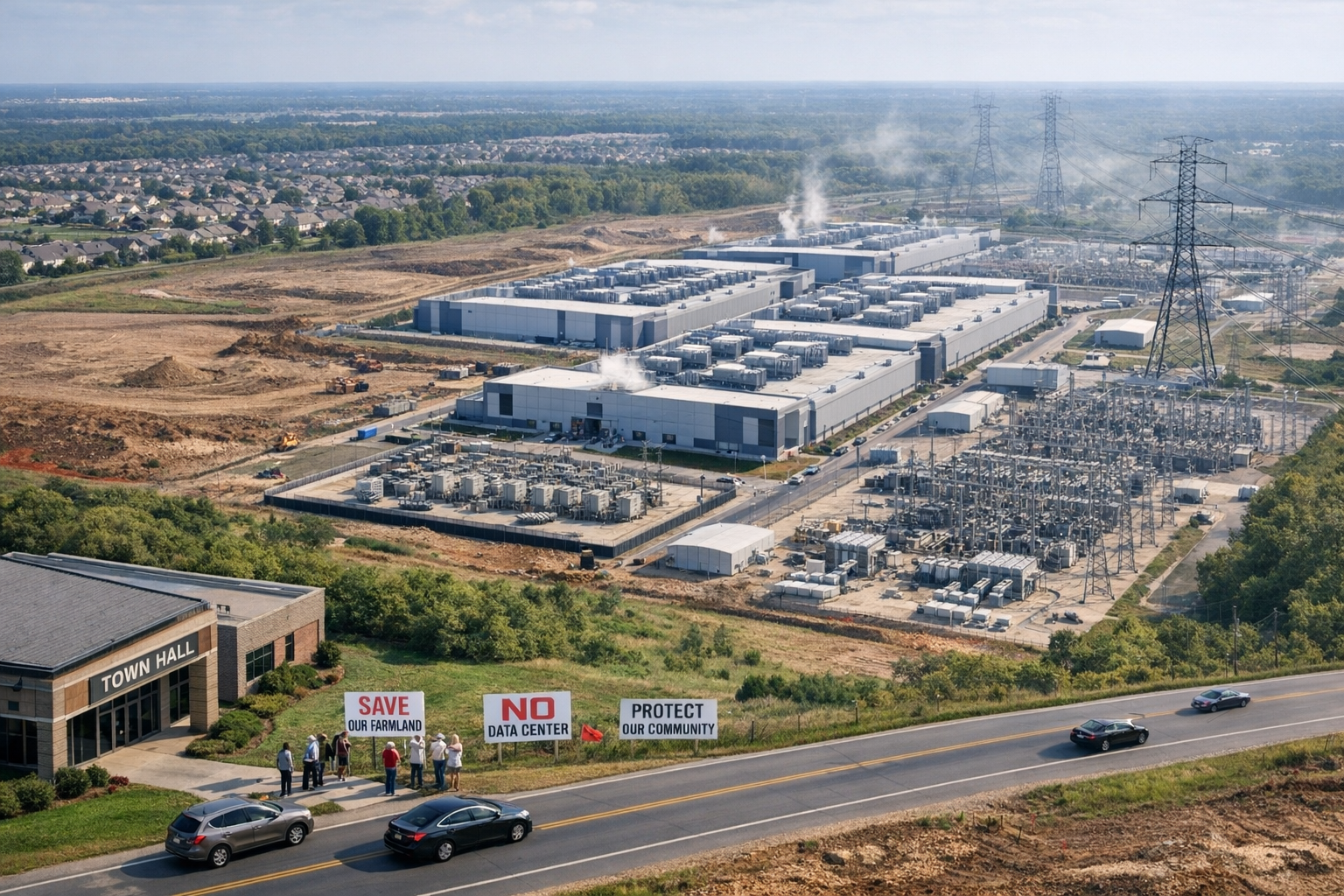
The lawsuit, filed in April, accuses xAI and its subsidiary, MZX Tech, of operating dozens of methane-gas turbines without the permits required under the Clean Air Act. The turbines, according to the complaint, are located near homes, schools and churches in north Mississippi and emit pollutants that endanger nearby residents. The NAACP has asked the court to halt the operation of the machines unless proper permits are obtained, and to impose penalties.
Mississippi regulators had previously concluded that the turbines did not require permits, treating them as temporary or mobile units rather than stationary sources subject to more stringent air rules. The plaintiffs contend that interpretation is unlawful and that the equipment is functioning, in practice, as a fixed power plant for a major industrial operation.
The Justice Department, siding with xAI, said the state’s determination should end the matter. But it went further, warning that the citizen suit itself threatens “national, economic, and energy security.”
In a supporting declaration, the Defense Department said xAI’s Grok systems are being used in national-security applications and mission-critical classified work, and that continued electric power for the company’s computing operations is strategically important. The filing also tied xAI’s role to broader military operations, underscoring how deeply the administration wants the court to view the company as part of the country’s defense apparatus.
The Administration’s Broader A.I. Push
The intervention reflects the Trump administration’s increasingly aggressive support for domestic A.I. expansion, particularly when led by politically aligned technology companies. The White House has made speed in A.I. development a central economic and geopolitical priority, arguing that the United States must outpace China in building the data centers, chips and energy systems needed to train and run advanced models.
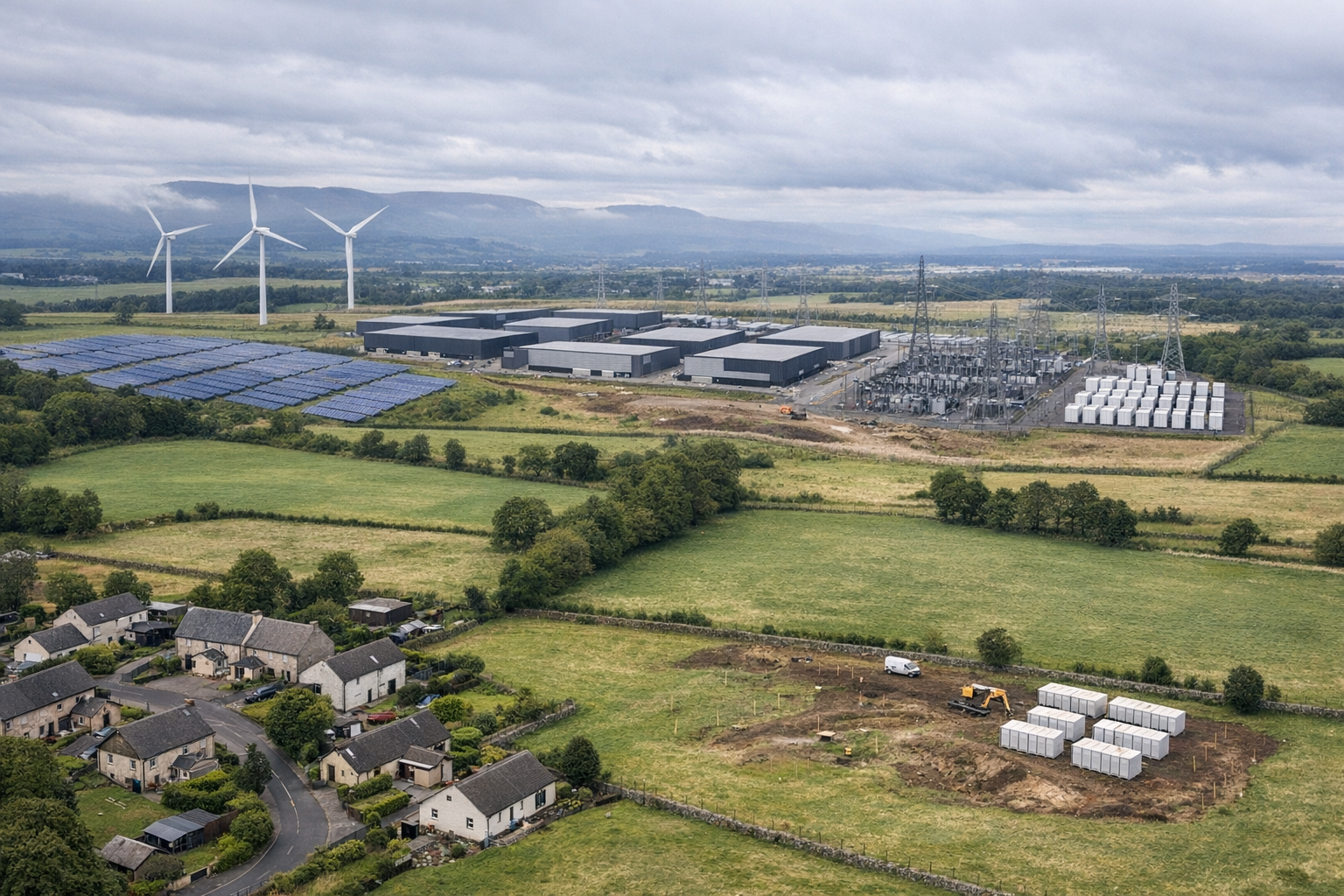
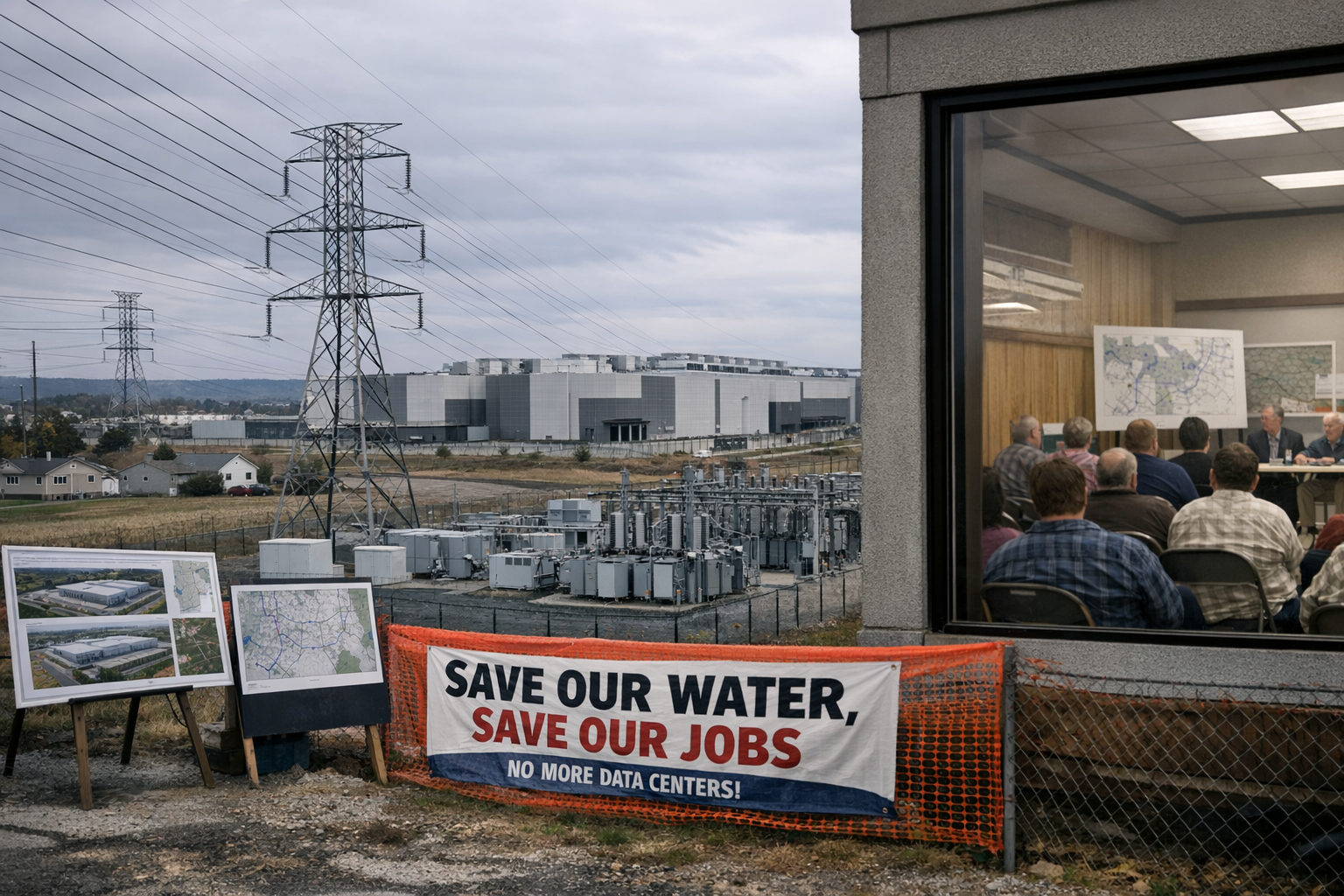
That push has often collided with state regulators, local communities and environmental groups, who have raised concerns about land use, power demand, water consumption and air pollution. Data centers, especially those tied to frontier A.I. systems, require enormous amounts of electricity, prompting companies to seek fast, flexible sources of power when grid access is constrained. In some cases, that has meant deploying on-site gas turbines.
The Southaven dispute has become one of the clearest examples yet of the friction between that industrial buildout and environmental law. What makes the current moment different is the federal government’s assertion that a private company’s turbines are not merely part of a commercial venture, but integral to military readiness and wartime capability.
A Novel Legal and Political Question
At the center of the case is a question likely to resonate far beyond Mississippi: how much power the executive branch has to shut down a citizen enforcement action under the Clean Air Act once it intervenes.
The law allows private groups to sue when they believe pollution rules are being violated and regulators have failed to act. Those suits have long been an important backstop in environmental enforcement, particularly in communities that argue state officials are too deferential to industry.
The Justice Department’s filing tests whether national-security claims can be used not only to defend a company’s operations, but to extinguish that kind of private challenge altogether. Legal specialists say the judge’s response could shape future battles over A.I. infrastructure, especially as companies increasingly seek emergency or unconventional power arrangements to keep pace with surging computing demand.
The underlying factual dispute also remains unresolved. The court has not yet decided whether the turbines are legally temporary and exempt from permitting, as state regulators found, or whether they are effectively stationary sources that must comply with federal clean-air requirements.
Why It Matters Now
The case arrives at a moment when A.I. development is becoming inseparable from questions of energy policy, industrial permitting and federal power. What might once have been a technical argument over turbine classifications is now being recast as a contest between environmental enforcement and strategic competition.
For residents living near the Southaven site, the issue is immediate and local: whether heavy industrial equipment can continue operating near neighborhoods without formal permits. For Washington, the stakes are larger: whether the government can treat the infrastructure behind advanced A.I. systems as critical defense assets deserving extraordinary protection.
The judge’s decision could determine not only the future of one Mississippi facility, but also how far the federal government is willing — and allowed — to go in shielding the physical footprint of the A.I. race from legal challenge.
Sources
Further reading and reporting used to add context:
- https://apnews.com/article/0e981ca0508d7e4144662392d9d66ab2
- https://www.theguardian.com/technology/elon-musk/2026/jun/16/all
- https://techcrunch.com/2026/06/16/doj-claims-xais-unpermitted-gas-turbines-are-a-matter-of-national-economic-and-energy-security/
- https://mississippitoday.org/2026/04/15/data-center-turbines-southaven/
- https://tech-insider.org/xai-colossus-2-naacp-lawsuit-illegal-gas-turbines-memphis-2026/
- https://www.justice.gov/opa/pr/justice-department-files-intervene-and-dismiss-lawsuit-would-hamper-americas-ai-innovation
- https://www.washingtonpost.com/technology/2026/06/16/justice-department-aims-block-lawsuit-against-xai-polluting-data-centers/
- https://www.washingtonpost.com/business/2026/06/16/musk-xai-data-center-memphis-pollution-naacp/8d01e91a-69cf-11f1-830e-133d20cadd28_story.html
- https://www.theguardian.com/technology/2026/jun/16/elon-musk-xai-datacenters-trump-administration
- https://www.wlox.com/2026/02/13/naacp-plans-sue-xai-over-gas-turbines-mississippi/
- https://www.theguardian.com/technology/2026/apr/14/naacp-lawsuit-elon-musk-xai-memphis
- https://naacp.org/sites/default/files/documents/1%20-%20Complaint.pdf
- https://earthjustice.org/article/a-community-takes-a-data-center-colossus-to-court?safelist=y
- https://www.tomshardware.com/tech-industry/xai-pushes-power-strategy-towards-1gw-ai-factory
- https://www.whitehouse.gov/presidential-actions/2026/06/promoting-advanced-artificial-intelligence-innovation-and-security/
- https://ng.investing.com/news/stock-market-news/doj-moves-to-dismiss-lawsuit-against-xai-facility-in-mississippi-93CH-2561302?ampMode=1
- https://www.war.gov/News/News-Stories/Article/Article/4376486/war-department-swat-team-removes-barriers-to-efficient-ai-development/
- https://news.bloomberglaw.com/environment-and-energy/trump-doj-argues-xai-gas-turbines-are-key-for-national-security
- https://www.technn.com/headlines/doj-invokes-national-security-defend-xais-gas-turbines
- https://www.benzinga.com/markets/private-markets/26/06/53238092/doj-backs-xai-in-court-citing-groks-role-in-military-ops-including-iran-strikes
- https://www.citybiz.co/article/860928/pentagon-reveals-xais-grok-helped-support-iran-strike-operations/
- https://www.engadget.com/2195032/doj-backs-xai-naacp-data-center-pollution-lawsuit/
- https://www.mlex.com/mlex/articles/2490484/tech-trade-groups-back-anthropic-in-fight-against-supply-chain-risk-designation
- https://earthjustice.org/wp-content/uploads/2026/04/1-complaint.pdf
- https://oag.dc.gov/sites/default/files/2026-01/Letter%20to%20xAI_FINAL.pdf
- https://www.reddit.com/r/nottheonion/comments/1u8rjxc/pentagon_says_grok_used_to_launch_missiles_at_iran/
- https://www.reddit.com/r/aiwars/comments/1u76cjg/doj_lawyers_argue_xai_is_vital_for_national/
- https://www.commoncause.org/de/wp-content/uploads/2026/02/Congressional-Oversight-Letter-re_-DOD_AI.pdf
- https://www.whitehouse.gov/articles/2026/03/operation-epic-fury-decisive-american-power-to-crush-irans-terror-regime/
- https://www.whitehouse.gov/articles/2026/03/peace-through-strength-president-trump-launches-operation-epic-fury-to-crush-iranian-regime-end-nuclear-threat/
- https://www.whitehouse.gov/releases/2026/04/peace-through-strength-operation-epic-fury-crushes-iranian-threat-as-ceasefire-takes-hold/
- https://www.war.gov/serve-from-netstorage/Spotlights/Operation-Epic-Fury/Operation-Epic-Fury-Resources/index.html
- https://studies.aljazeera.net/en/policy-briefs/strategic-paralysis-and-escalatory-spillover-applying-warden%E2%80%99s-five-ring-theory
- https://breakingdefense.com/2026/05/insatiable-appetite-for-ai-maven-usage-surged-for-strikes-on-iran-pentagon-ai-chief-says/
- https://www.csis.org/analysis/operation-epic-fury-and-remnants-irans-nuclear-program
- https://www.ad-hoc-news.de/wissenschaft/pentagon-nutzt-grok-gov-xai-ki-koordinierte-2-000-angriffe/69559772
- https://www.globalsecurity.org/military/ops/iran-war-20260602.htm
- https://www.globalsecurity.org/military/ops/epic-fury.htm
- https://www.csis.org/analysis/epic-fury-campaign-against-irans-missile-nuclear-infrastructure
- https://cryptobriefing.com/grok-ai-us-military-strikes-iran/
- https://www.axios.com/2026/02/28/iran-us-israel-strikes-operation-epic-fury
- https://www.lemonde.fr/en/international/article/2026/02/28/trump-gives-in-to-the-temptation-of-regime-change-in-iran-with-operation-epic-fury_6750966_4.html
- https://en.wikipedia.org/wiki/Operation_Lion%27s_Roar_%282026_Israeli%E2%80%93United_States_military_action_against_Iran%29
- https://media.defense.gov/2026/Apr/01/2003905658/-1/-1/1/OPERATION-EPIC-FURY-FACT-SHEET-APRIL-1-UPDATE.PDF
- https://www.reddit.com/r/BreakingPoints/comments/1u915xk/pentagon_uses_cp_generator_grok_to_launch_missiles/
- https://www.gov.il/BlobFolder/reports/epic-fury-us-public-sentiment-analysis-2026-03/en/mashlat_Roaring_Lion_epic-fury-us-public-sentiment-analysis-2026-03.pdf
- https://strategyinternational.org/wp-content/uploads/2026/03/MONOGR0016.pdf
- https://www.reddit.com/r/WhatTrumpHasDone/comments/1u823aw/pentagon_used_elon_musks_grok_ai_to_fire_2000/
- https://en.wikipedia.org/wiki/2026_Iran_war
- https://www.justice.gov/opa/pr/justice-department-intervenes-xai-lawsuit-challenging-colorados-algorithmic-discrimination
- https://naacp.org/articles/naacp-urges-mississippi-regulators-deny-permits-gas-powered-ai-facility
- https://www.actionnews5.com/2026/04/14/naacp-sues-xai-alleging-unlawful-operation-gas-turbines-southaven/
- https://naacp.org/articles/naacp-selc-earthjustice-threaten-lawsuit-over-xais-unpermitted-gas-turbines-mississippi
- https://naacp.org/articles/naacp-asks-court-emergency-action-stop-illegal-air-pollution-xais-data-center-power-plant
- https://www.actionnews5.com/2026/05/06/naacp-requests-court-ordered-halt-xais-use-turbines-southaven-while-lawsuit-continues/
- https://www.axios.com/2026/04/24/justice-department-joins-xai-challenge-colorado-ai-law
- https://apnews.com/article/571c16950259b382f9eae61bd59260ef
- xAI Motion to Interview – ENRD
- In boost to Musk, Justice Department seeks to dismiss air pollution lawsuit against xAI data center











Leave a Reply